
The Illyrian Trap | Eliminated in the mud of Tirana: A forgotten 0-0 Illyrian “victory” and a Robbed Goal sent Germany’s Panzers out of Euro ’68!
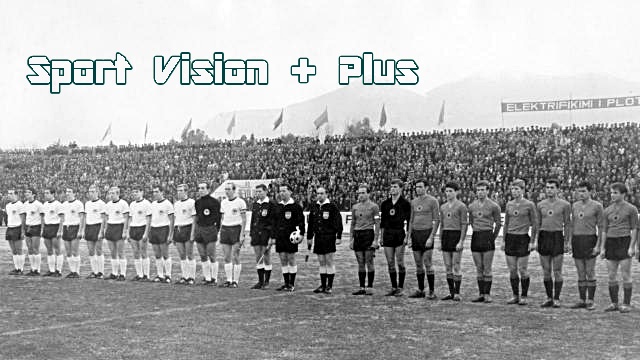
Albania vs West Germany 0-0
“Die Schmach von Tirana” (The Disgrace of Tirana)
The Prologue
In the grand theatre of international football, the history books are routinely written by the empires—by the sprawling football schools of Western Europe, whose tactical blueprints dictate the evolution of the global game.
Yet, history’s most profound chapters do not always belong to the conquerors. Occasionally, the script of absolute dominance is utterly shattered by an unconsidered, isolated enclave. On December 17, 1967, at the “Qemal Stafa” Stadium in Tirana, football witnessed its ultimate, biblical convergence. It was not merely a David vs. Goliath story, but a modern revival of the Great Illyrian Revolt. Just as the ancient Illyrian tribes under legendary leaders like Bato stood defiantly against the overwhelming, industrialized military might of the Roman Empire, the red-and-black underdog stepped onto the pitch to face a modern superpower. On that cold December day, the spirits of Illyria’s fierce defenders were reborn in eleven men who refused to bow to the kings of Europe.
West Germany arrived in Albania as an almighty footballing titan. They were the world runners-up, an industrialized juggernaut of athletic machinery often referred to as the “Panzers,” heavily favored to secure their progression to the 1968 European Championship finals. Against them stood Albania, a small, economically besieged nation entirely cut off from the mainstream world—a footballing afterthought that had suffered a crushing 6-0 defeat in Dortmund just months prior. By all conventional logic, the match was a mere formality, a walkover designed to seal Germany’s coronation.
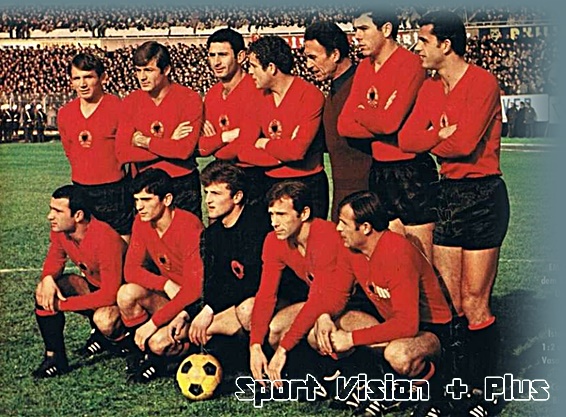
Loro Boriçi’s men erected an impenetrable human fortress. Led by the heroic grit of legends like Panajot Pano and Koço Dinella, the Albanian National Team did not merely survive; they fought the German machine to a complete tactical standstill.
The technical world would forever label the final outcome a 0–0 draw, but the raw scoreboard is a profound deception. In reality, the tiny Balkan underdog achieved a monumental moral victory. This article strips away the cold, misleading numbers of official registries to tell the real story of December 1967—the day a forgotten nation proved that tactical discipline and sheer, unyielding pride can bring the world’s most formidable football empires to their knees.
The Battle in the Mud: The Chronicle of December 17, 1967
It all boiled down to the final game in Group 4, West Germany requiring a win – by any margin – against Albania in Tirana to progress to the knockout stages of the 1968 European Championship in Italy .
When the wheels of the Swiss Air flight hit the pitted runway tarmac in the alien landscape of Albania during the ides of December all semblance of autumnal warmth and sunlight had long since deceased. The dull thud of rubber on asphalt was greeted with a sigh of collective relief by the footballers of the German Federal Republic. The plane had circled airspace above Rinas Airport twice already, allowing the underworked airport staff time to remove stray sheep from its runway.
As Die Mannschaft and staff waited for the step ladder to be positioned enabling them to disembark the aircraft, there must’ve been a collective sense among their band that the omens weren’t good. Indeed, Wolfgang Overath and Wolfgang Weber had been forced to endure hospitality Stalinist Albanian-style years previously when they’d been part of the FC Köln team that faced Partizani in a 1963/64 European Cup tie; an experience they were not keen to relive.
After escaping the dead-eyed observations of passport control, the laborious bag checks and petty confiscations, their ramshackle autobus delivered them the 11 miles, beyond the sterile co-ops and concrete bunkers that punctuated the Albanian countryside, to the relative serenity of Hotel “Dajti” that straddled the east side of “Rinia” Park on “Dëshmorët e Kombit” Boulevard – Boulevard of the Martyrs of the Nation where all the foreigners stayed.
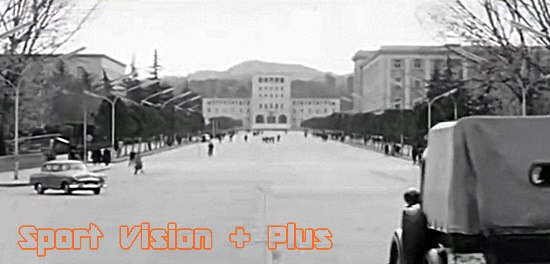
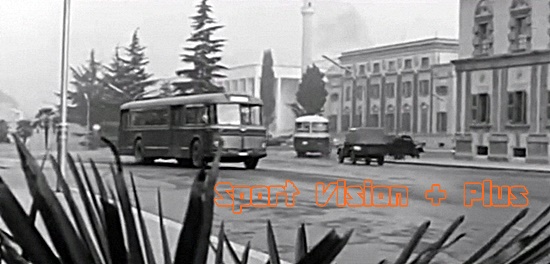
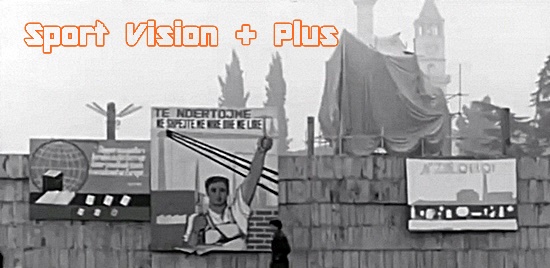
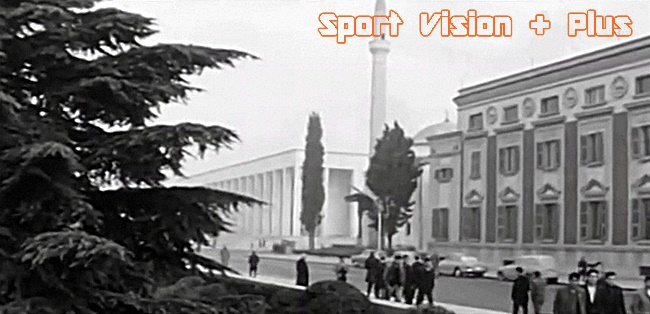
Forced to represent their country in this joyless dystopia, the footballers of West Germany must have asked themselves the same imponderable question asked by the many Westerners unfortunate enough to get the same gig, ‘How did we get here?’ It was a question that was all the more indefinable in 1967, the year that Enver Hoxha’s regime banned religion, blew up the churches and mosques and murdered holy men and women. In truth, the question was in grave need of expansion and, to this day, still demands an earnest and thorough answer.
The West Germans had learned from the previous experience of their club sides; beards and hair were suitably shorn, clothing was staid and regimented, German food was brought in to Albania but it was prepared by an Albanian chef. The DFB – Deutscher Fußball-Bund – in their appetency to adhere to the rules, left no organisational stone unturned, taking every precaution possible to placate their capricious hosts. But it’s said that an organisation is only as reliable as its representatives. After West Germany’s arrival at the Hotel “Dajti” rumours were rife of a mini-scandal involving one of their footballers.
It was alleged that Gerd Müller, DFB-Team’s prodigious young forward, had spent an undue amount of time in the company of a female hotel maid named Hojna. Further to this, hearsay suggested that the two were in love. With the Sigurimi alert to the situation, immediate steps were taken to avert this wholly unwholesome frisson.
Read the full story here:
https://www.sportsvisionplus.com/gerd-muller-and-the-story-of-an-impossible-love-with-the-albanian-girl/
Despite the improbability of the union, shards of evidential proof do exist. Müller returned to the Hotel “Dajti” in 1971 for another Euro qualifier representing Die Mannschaft – in itself utterly circumstantial. Yet in 1985, Finnish cup winners HJK Helsinki, drawn against Flamurtari in the first round of the European Cup Winners’ Cup, received a peculiar letter from a retired ex-footballing icon requesting to join the club on ‘a single-match contract’ demanding, ‘Let me come to Albania with you. I want to see my girlfriend.’ The author of the letter was, of course, Gerd Müller. But the most telling piece of proof is probably the most mundane; a fully fit Müller – top scorer in the Bundesliga – was dropped for the Albania game.
The curiosity of the Albanians had reached its peak, as best evidenced by the fact that the world vice-champions, in a morning training session at the “Dinamo” stadium, were assisted by around 10,000 spectators!
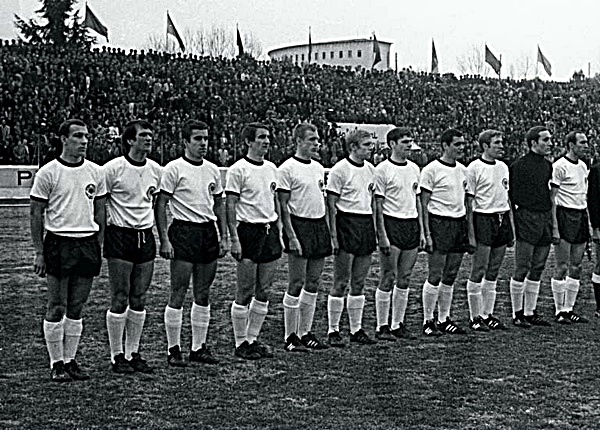
On 17 December 1967, darkness descended on the Qemal Stafa; sable clouds loomed overhead and an all-enveloping cold gripped rain-threatened Tirana. The visit of the West Germans to Albania was the hot ticket in the city. In the week preceding the game, Gimi’s downtown kiosk, beneath the shadow of “Ushtari i panjohur”, became a hub of concerted push-and-shovery; Albania’s football fans desperate to get their hands on the remaining tickets and be part of this shared, visceral experience.
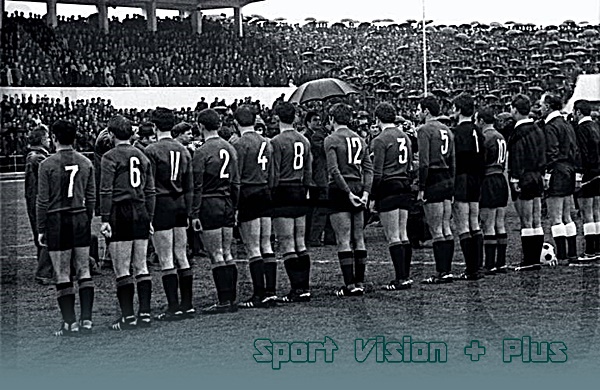
The natives were buoyed by news that West Germany’s influential libero, Franz Beckenbauer, would not be in the line-up; an injury sustained while training at Stadiumi “Dinamo” ruling him out. No Müller, no Beckenbauer. Something weird was happening in the Albanian capital.
As the proles alighted the concrete staircases leading into the “Qemal Stafa’s” cavernous bowl, the entitled ‘stalwarts’ of society took their place in the Tribuna; Party members joined by the large entourage of Chinese dignitaries present in the city for the biennial Albanian-Sino jolly-up.
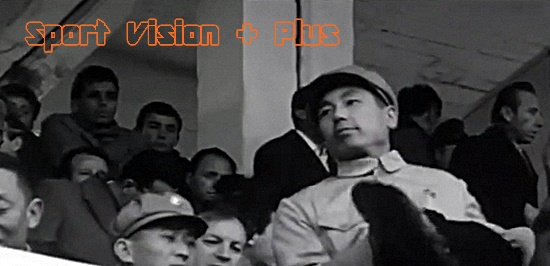
Signwriters spent the week leading up to the West Germany game modifying the stadiumi billboards transforming the Qemal Stafa into a presbytery of Marxist-Leninist ideologue, espousing the virtues of socialist modus vivendi in unintentionally hilarious fashion .
‘Ushtroni Gjimnastikën Mëngjesit”
(Do gymnastics in the mornings) demanded one slogan.
‘Gatishmëri Revolucionare’
(Revolution Alert) implored another; a subtle reimagining of John Lennon’s Westernist ‘Give Peace a Chance’ mantra.
But the sign that amused and befuddled most read,
‘Kalitja fizike është një detyrë patriotike’
(Physical tempering is a patriotic duty) a message surely lost in the snow blizzard of meaningful translation.
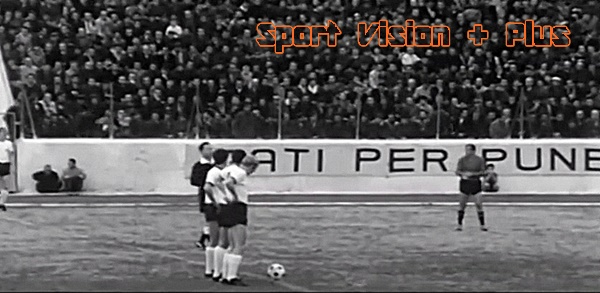
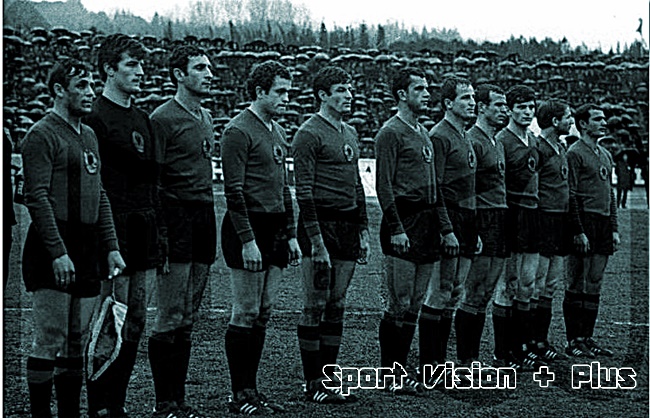
Kick-off was projected to take place at 2pm Tirana time, but as the anthems blared and Austrian official Ferdinand Marschall exchanged handshakes with captains Lin Shllaku and Willi Schulz, the heavens hung heavy like a blackened shroud.
“Qemal Stafa” stadium was a rarity among European national stadia in the sense that it had yet to install serviceable floodlights . Indeed, the country wouldn’t be fully electrified until the end of 1968.
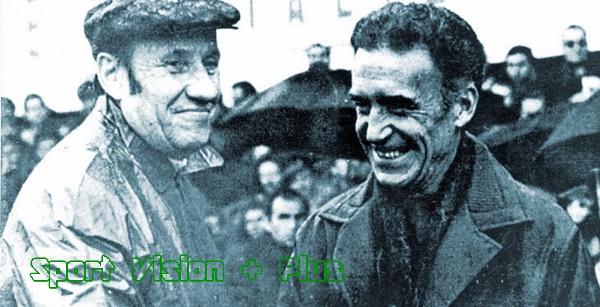
Fortunately the darkness abated, flames of light piercing the murk, rendering the match playable. But the pitch remained uneven and rucked, sand caulking the holes where heavy rain had fallen; the ball rolling at a bobble—a naysayer to the tenets of attractive, controlled football.
Beneath the ominous skies, two teams of polar-opposite world standing played a kind of football; West Germany struggling to get their passing game going, Albania feeding on the plentiful scraps that their opponents’ pitch-enhanced laxity afforded them. As the first half evolved, excitement began to swell on the terraces of the “Qemal Stafa” the fans’ beloved Shqiponjat weren’t just holding their own, they appeared to be winning the battle.
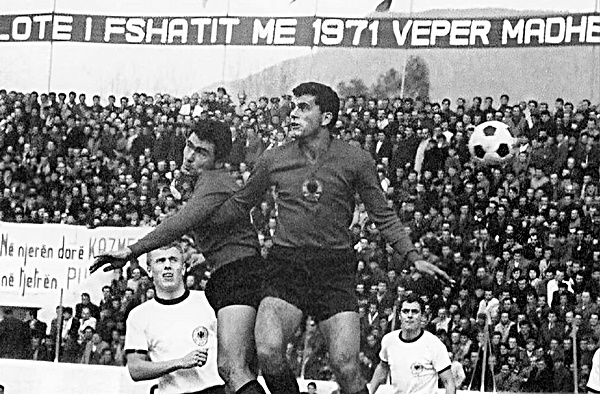
When the half-time whistle blew, it was greeted with a mass roar of approval. The West German bourgeoisie hadn’t laid a glove on Albania, their 20-year-old debutant goalkeeper Koço Dinella yet to make a save of note.
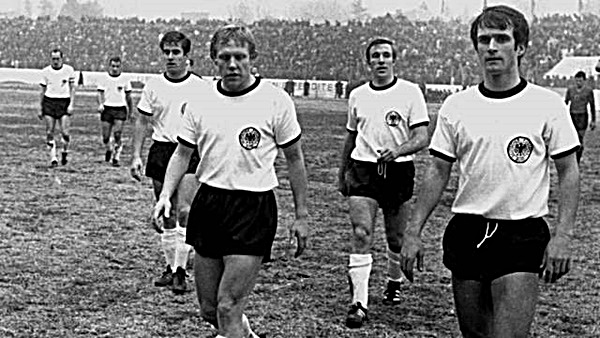
Direct from the restart, as if to signal Albanian intent, Panajot Pano on receiving a short pass from Medin Zhega—ran directly at the West Germans; matador football, visibly unsettling Helmut Schön’s men. Pano’s endeavour and adventure set a pattern for the second half that his team-mates were at duty to follow.
Seven minutes after the break came the great ‘what if’ moment of the game; a moot point that’s been at the core of aggravated discussion among Albanians for decades since.
Sabah Bizi, now wielding full metronomic control in the middle of the park, laid a short pass wide to his overlapping right-back, Dinamo’s Frederik Gjinali—also making his “Kuq-Zi” debut. Without taking a touch, the tall, slender defender drilled in a delicious low delivery—part cross, part shot that swerved towards West German keeper Horst Wolter’s near post. The Braunschweig stopper spread himself to prevent the cross from entering the net, but it appeared that he’d done so too late, batting the ball back into play from behind the goal line.
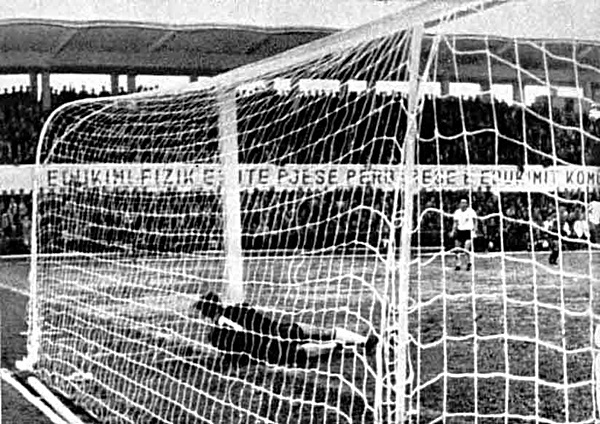
The spectators in the “Qemal Stafa” all screamed ‘Gol’. Wolter immediately raised both arms above his head—his face a portrait of concern—an unnatural response that, on review, exposed a desperate realization: the ball had crossed the white line. Albania was robbed. In a flash of dynamic injustice, the whistle of Austrian referee Ferdinand Marschall cut through the roar of Tirana, waving the legitimate goal away and breaking the mathematical deadlock in favor of the empire.
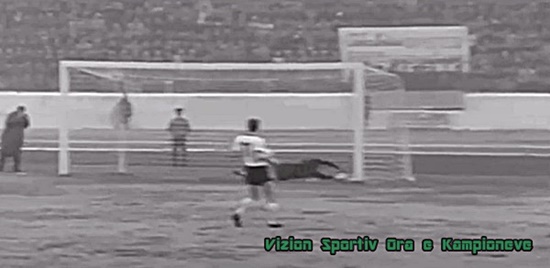
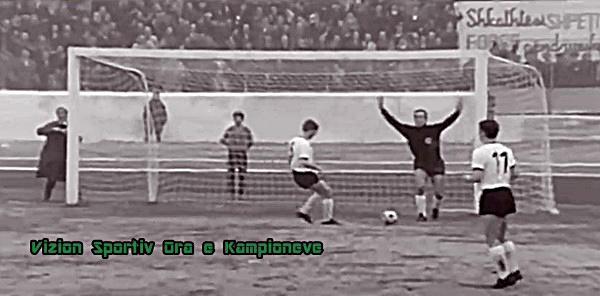
To compound this purveying air of conspiracy, the ball remained stationary, half a yard from the goal line, for a few seconds, neither Wolter nor his covering centre-half Wolfgang Weber attempting to either pick it up or clear it. They both, tellingly, turned in the direction of the Austrian referee. It was only when the official failed to signal for a goal that Wolter eventually clutched the ball in his arms.
A minute later, following splendid hold-up play by Pano, Gjinali struck a 30-yard howitzer that grazed the German bar.
This growing well of pressure appeared to signpost the coming of an Albanian opener, the home support lit with excitement. Wolfgang Overath and Günter Netzer, footballers used to bossing midfield flow, retracted, pushed deep into pockets of the pitch they were loath to go, forced acquiescence incited by the four-pronged vigour of Mema, Bizi, Zhega and Pano.
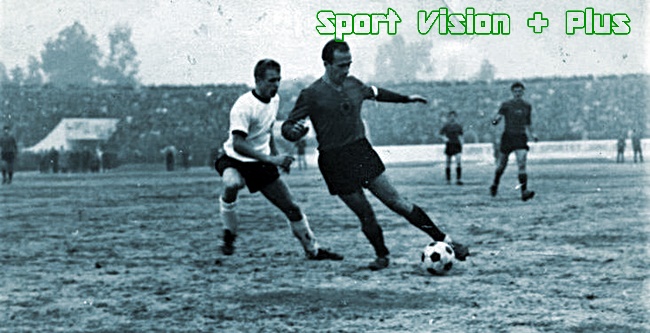
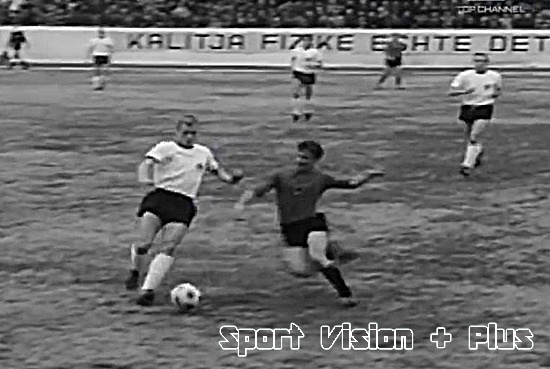
Then, with 20 minutes still remaining and West Germany struggling to make any kind of impression in a game they were desperate to win, Loro Boriçi gestured from the touchline, signalling that the creative midfield triangle with Bizi at its point be inverted to a negatory troika with Ali Mema at its base.
He had lost his nerve opting, like so many Adriatic coaches of the decade, for solidity above flair. Boriçi’s odd predilection for safety – Boriçian football – had re-emerged to blunt his team.
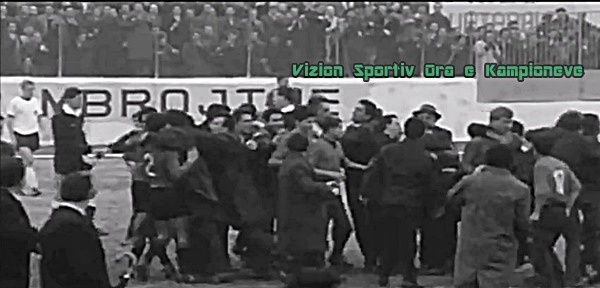
In spite of their coach-sanctioned lack of cutting edge, Albania held firm for the remainder of the game, sparking wild celebrations on the “Qemal Stafa” pitch. Hundreds of men in long coats invaded the field to hug and kiss their muddied heroes; captain Lin Shllaku was almost bulldozed to the floor by one joyously over-zealous supporter. Impromptu paper fires burned on the concrete terraces, ash spiralling into the late-afternoon sky; a homage to Shqiponjat’s glorious ‘draw’.
Helmut Schön’s tenure as West Germany coach hung by a thread in the wake of what the Deutscher press labelled ‘Die Schmach von Tirana’ – the Shame of Tirana. Only following conciliatory talks with the DFB was his job spared. The rest, as they say, is history.
As Germany licked its wounds, Albania rejoiced. ‘It was such a big upset that we celebrated for a month,’ reminisced Panajot Pano in 2010. ‘We won the game really [in reference to Gjinali’s disallowed goal]. The papers said it was 0-0, but the Germans knew it, the referee knew it, we knew it.’
For Eagles of Albania, was a success steeped in irony. With Die Mannschaft ripe for the taking, Albania’s opportunity to score an even more sensational victory had been prised from their grasp due to the tactical pragmatism of a coach who’d been fearless and attack-minded as a player.
And while the stalemate deprived the Germans of their place in the European Championship quarter-finals in Rome, it also left the back door ajar for Albania’s arguably greater enemy – Yugoslavia – to capitalise. Like so many triumphs of Albanian lore, this was a bittersweet story with a sting at its tail.
A further fateful twist of the knife saw Albania withdrawn from the qualifying campaign for the 1970 World Cup finals in Mexico by FSHF, any momentum gained from the West Germany performance and result senselessly annulled.
Yet, what Marschall could not wave away was the psychological collapse of the German giants. The robbed goal did not break the Albanian spirit; it galvanized a defensive display that will live forever.
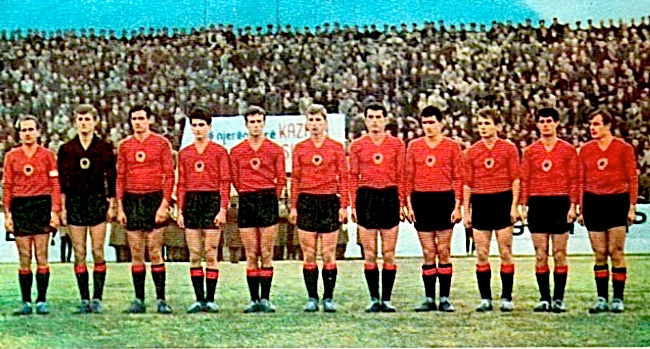
The Tactical Wall – How Boriçi Outsmarted the Empire
Months earlier in Dortmund, a standard Albanian setup had been systematically torn apart 6-0 by the German machine. Rather than folding under the weight of history, coach Loro Boriçi used that failure to build a tactical trap. Knowing that West Germany expected a mentally defeated squad, Boriçi overhauled his roster, introducing fresh, tall, and highly energetic blood specifically chosen to combat the Germans’ physical aerial game.
The Dynamic Shield of Dinella and the Central Block
In a stroke of psychological genius, Boriçi dropped goalkeeper Mikel Janku—who had conceded the six goals in Dortmund—protecting him from the mental baggage of the past. In his place stepped the debutant Koço Dinella. Protected by an iron central defensive pairing of Xux Kazanxhi and Ali Mema (both of 17 Nëntori), alongside Elbasan’s physically imposing Frederik Jorgaqi, Dinella operated behind an unyielding human shield. Every cross hurled into the penalty area by German wingers was systematically cleared by an Albanian head or intercepted by Dinella’s fearless, aggressive aerial claims.
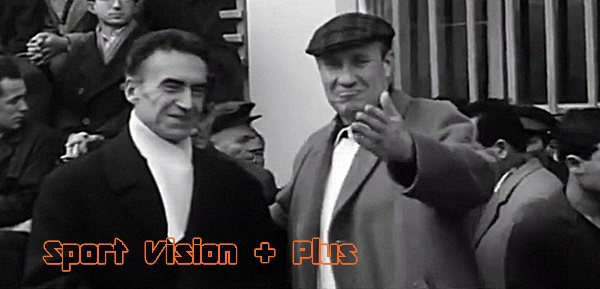
The Great Duels: Neutralizing the Engines
The tactical battlefield was won in the individual tracking zones orchestrated by Boriçi.
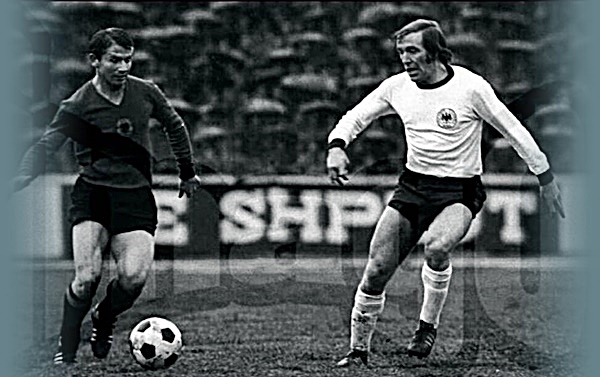
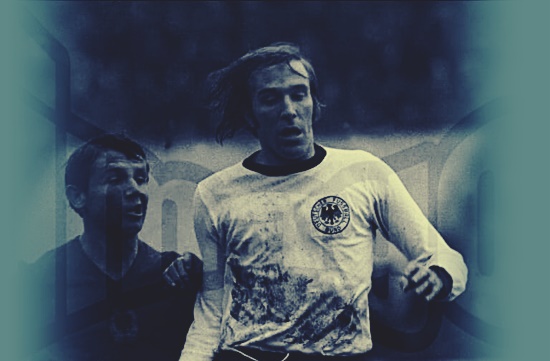
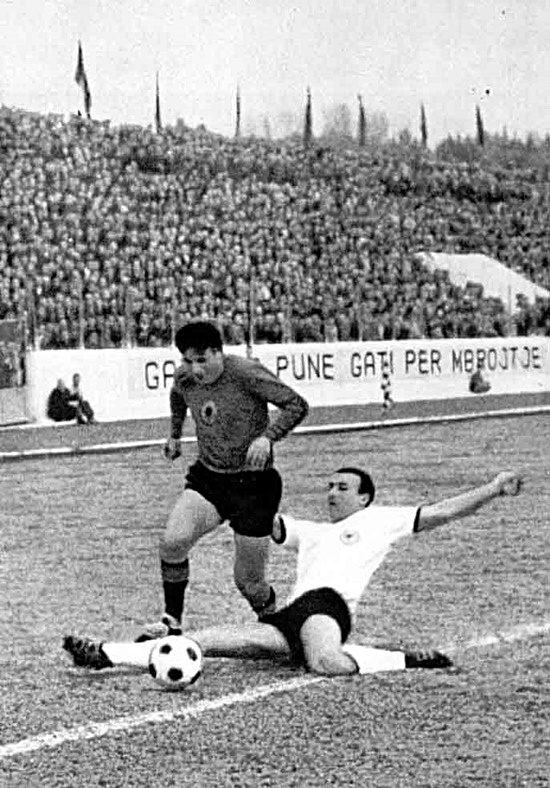
Vaso vs. Netzer: The legendary Teodor Vaso was handed the monumental task of man-marking the elegant engine of West Germany, Günter Netzer. Vaso played a game of pure physical attrition, refusing to give Netzer an inch of breathing room to turn, launch long-range passes, or dictate the tempo.
Gjinali’s Pocket: On the right flank, Frederik Gjinali put on a masterclass in defensive positioning. Not only did he lock down his side of the pitch against Hannes Löhr, but his surging runs forward completely destabilized the German left flank.
Pano’s Isolated Warfare and the Shkodran Counter
While the midfield trio of Ramazan Rragami, Sabri Bizi, and Lin Shllaku choked the passing lanes of Wolfgang Overath and Hans Küppers, the lone warrior up front was the incomparable Panajot Pano. Pano engaged in an epic, exhausting duel with Germany’s legendary captain and sweeper, Willi Schulz. Operating often as a lone target man, Pano held up the ball with world-class technical flair under intense physical pressure. Alongside the blistering pace of Shkodra’s Medin Zhega, they turned every German turnover into an instant threat.
Even when Albania was reduced to ten men for the final half-hour, the tactical structure never ruptured. Pano and Zhega famously combined late in the game, twisting the German defense into knots until Schulz was forced to bring Pano down inside the box—yet another blatant penalty ignored by Marschall, cementing the match as a display of heroic, defiant resistance against all odds.
The Aftermath: The Disgrace in the German Press
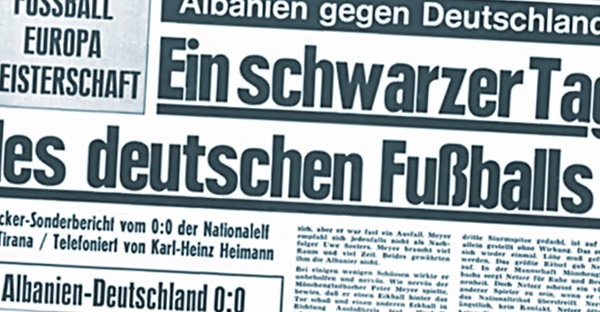
When the final whistle blew, the 0-0 scoreline triggered an immediate athletic apocalypse across the Federal Republic. Germany was officially eliminated from Euro ’68 [Qemal Stafa Stadium]. The newspapers the following morning did not mince words, capturing a nation paralyzed by tactical shock.
Bild-Zeitung
The mass-market tabloid Bild was ruthless, capturing the fury of the public and demanding immediate accountability:
“Werfer raus! Lasst den Merkel ran!”
(Throw them out! Let Merkel take over!) — Demanding the tough-talking Max Merkel replace Helmut Schön.
“Das Desaster vor Weihnachten!”
(The Disaster Before Christmas!)
“Die Nationalelf verspottet!”
(The National Team Ridiculed!)
Kicker Sportmagazin
Germany’s premier sports magazine focused purely on the systemic failure of their industrialized football school:
“Die Katastrophe von Tirana: Aus für die EM!”
(The Catastrophe of Tirana: Out of the Euros!)
“Helmut Schöns schwärzester Tag”
(Helmut Schön’s Blackest Day)
“Ein unansehnliches Fiasko im Schlamm”
(An Unwatchable Fiasco in the Mud)
Der Spiegel, Die Welt & Süddeutsche Zeitung
The political dailies analyzed the profound psychological trauma of the defeat, forever branding the country code of Albania into a national pun:
“Ein ALB-Traum”
(An ALB-Nightmare)
“Eine einzigartige Katastrophe”
(A Unique Catastrophe) — Quoting a defeated Günter Netzer, who later admitted, “We knew this day would haunt us for a lifetime. It was the absolute lowest point.”
VIDEO HERE: https://www.sportsvisionplus.com/video-1967-highlights-of-the-match-albania-w-germany-euro-68-qualifiers/
Conclusion: The Eternal Illyrian Footprint on Modern Football
The 0–0 draw of December 17, 1967, was never just a cold statistic frozen in a UEFA archive; it was a cultural and sporting blueprint that fundamentally shaped the DNA of Albanian football for generations to come. That winter afternoon in Tirana proved to an isolated nation that the boundaries of the footballing world are defined by spirit, discipline, and tactical courage—not by wealth, infrastructure, or political empires.
Decades later, the echoes of the “Illyrian Trap” still vibrate through modern Albanian sports history. When the modern Red and Blacks step onto the pitches of contemporary European Championships, they do not walk as historical footnotes. They carry the lineage of Dinella’s aerial dominance, Vaso’s unyielding man-marking, and Pano’s defiant creative genius.
It was this very match that permanently shattered the myth of the untouchable football superpower within the Albanian psyche. It taught a nation how to build a fortress, how to absorb the pressure of the world’s most feared attackers, and how to strike fear into the hearts of titans.
Let the modern, retired propagandists spin their revisionist fables to serve the political whims of the post-90s era. The true record remains unsoiled, written in the mud of the Qemal Stafa pitch and validated by the collective shock of the German press. The 1967 match was the dawn of Albania’s enduring footballing legacy—a timeless reminder that when eleven souls wear the red and black shield with absolute conviction, even the mightiest panzers of football history can be stopped dead in their tracks.
© By Pjerin Bj
Bronx – New York
May 21, 2026
_____________
Sports Vision + Plus | Champions Hour since 2013

Discover more from Sports Vision +
Subscribe to get the latest posts sent to your email.


