(Part 2) The Logistics of Exile and the Trans-Continental Odyssey of “Besa” Kavajë!

For the Part One, link beside: https://www.sportsvisionplus.com/besa-kavaje-a-powerhouse-of-albanian-football-in-the-mid-60-ties-and-70-ties/
The Invisible Machinery of Continental Combat
The grandest milestones in the historical archives of the domestic game are frequently remembered for the athletic heroism displayed across 90 minutes of competitive action.
Yet, for a provincial powerhouse like “Besa” Kavajë during their golden 1972–1973 European campaign, the true baseline of their survival was forged in the exhausting, un-compromised realities of logistical isolation. Operating without a functional home stadium, moving through intense airport blackouts under heightened global security, and managing strict budgetary limits, this legendary generation looked continental heavyweights directly in the eye while facing severe material deprivation.
This is the un-compromised, third-person chronicle of their historic journey—a detailed, unified newsfeed accounting for every tactical displacement, every traveler’s hardship, and the absolute raw grit behind Kavajë’s European odyssey.
The material landscape of “Besa”’s debut in the UEFA Cup Winners’ Cup against Denmark’s “Fremad” Amager perfectly illustrated the severe technical shortages of the era. Lacking basic athletic gear and proper training apparel, the Kavajë directors were forced to borrow a secondary set of training tracksuits from the institutional storage of “Partizani” just to present a unified appearance on Danish soil.
Furthermore, because “Besa” historically staged its domestic league fixtures on the city’s old, un-renovated town pitch, the football federation declared it completely unfit for international specifications. Consequently, the club was forced into a localized exile, transferring its European and Balkans Cup fixtures to the neighboring stadium in Durrës.
This coastal arena was selected because it featured a capacity exceeding 10,000 spectators and sat in close logistical proximity to the Rinas Airport. Interestingly, the historic 1–1 home draw against “Fremad” was completely blacked out on national television, as a torrential downpour and howling winds prevented state broadcasters from setting up their cameras, while a subsequent home clash against Scotland’s Hibernians was only delivered via a tape-recorded broadcast. The city of Kavajë would eventually inaugurate its own modern stadium complex years later, on April 26, 1974.
Across their four historic continental fixtures during this campaign, “Besa” converted a total of three goals, establishing a highly unique efficiency metric by striking twice on foreign soil and only once in Durrës. The absolute pinnacle of these goals belonged to the dynamic flank specialist Nimet Merhori, who executed a brilliant away equalizer in Denmark to secure a shocking 1–1 draw—a critical strike that carried profound qualification value and stood as a rare athletic feat for Albanian exports of that era.

Conversely, during a demanding expedition to Scotland, the versatile defender Qerolli found the back of the net, though his achievement was heavily masked by a brutal 7–1 defeat against Hibernians, with the consolation goal arriving only after the hosts had established a commanding 7–0 lead.
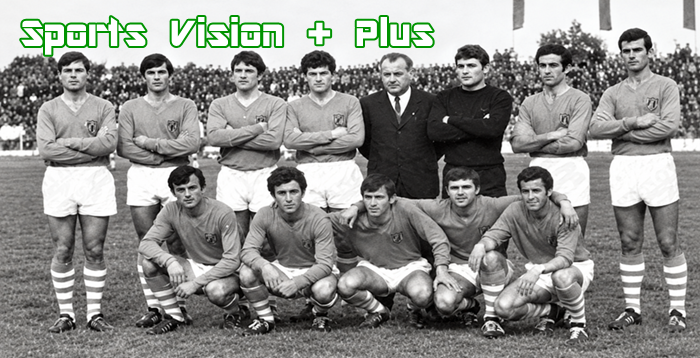
The final goal of the European ledger was produced in Durrës by Bujar Pagria, a traditional Kavajë specialist who hammered home a historic 1–1 equalizer against the visiting Scottish professionals, establishing a benchmark that carried immense competitive prestige far beyond its raw statistical value.
The trans-continental journeys required to complete these fixtures resembled grueling logistical marathons, frequently stretching over ten continuous days of away travel. A typical itinerary required the contingent to fly from Tiranë to Budapest for an overnight layover before navigating secondary connections to London and their final destinations.
The return leg from Scotland was marked by a sudden structural crisis in Berlin, where severe booking difficulties left the squad scrambling for emergency accommodation. The team was eventually checked into a massive, 46-story architectural monument featuring 22 elevators located directly adjacent to the historic Brandenburg Gate.

The Epilog
The rapid technical transformation of the Kavajë infrastructure caught the attention of the highest tier of the state administration Enver Hoxha. The head of state’s personal fondness for “Besa” emerged during the 1965 campaign, a year marked by the club capturing the Bashkimi newspaper trophy following a clinical 3–1 final victory over “Tomorri” Berat.
The absolute catalyst for this institutional connection unfolded during a spectacular semi-final showdown, where the squad completely dismantled “Apolonia” Fier in an unforgettable
11–0 blowout, featuring an historic seven-goal haul by Hasan Gërmenji.
Impressed by this offensive display, the state leader formally invited the players and directors to a state reception, publicly declaring his allegiance to the club. Under this supreme political backing, “Besa” was granted exclusive operational rights to organize its high-stakes training camps inside the elite Plepa Military Convalescence Center directly adjacent to the heavily fortified state leadership zone on the beach, a highly restricted territory where civilian access was strictly prohibited.
The movement of Players!
Because the club was managing a demanding international calendar following their Balkans Cup campaign a year prior, regional roster reinforcements were coordinated through local administrative channels with the official approval of the football federation.
Operating under the unified jurisdiction of a shared regional municipality, the sports frameworks enabled the fluid movement of elite assets between the neighboring cities of Durrës and Kavajë. Through this structural pipeline, “Besa” secured the services of prominent striker Maksut Leshteni, goalkeeper Feshti, and the commanding central defender Kapedani. Simultaneously, goalkeeper Arkaxhiu was transferred to “Lokomotiva” Durrës as part of his impending mandatory military service mobilization.
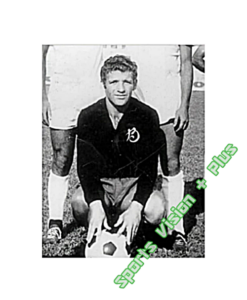 A unique personnel anomaly involved the acquisition of “Flamurtari” Vlorë’s star attacker, Mexhit Haxhiu. While Haxhiu possessed exceptional competitive quality and immense continental experience, tight state travel restrictions barred him from traveling beyond national borders.
However, due to his close relationship with “Partizani” legend Muharrem Karriqi, the team captain and Bet Vila utilized their considerable club influence to draft Haxhiu strictly for the home legs played on domestic soil, allowing him to enter the pitch as a second-half weapon against Malta’s Hibernians.
A fascinating archival curiosity tracks this rapid rotation of defensive assets: during the dramatic two-leg Republic Cup final against “Vllaznia” Shkodër, the Durrës-born Feshti guarded the net for Kavajë, yet only a few months later, it was Arkaxhiu who occupied the goalposts during “Besa”‘s historic international matches.
For Part One, link beside: https://www.sportsvisionplus.com/besa-kavaje-a-powerhouse-of-albanian-football-in-the-mid-60-ties-and-70-ties/
© Copyright by Pjerin Bj
Bryant Park / Hudson Yard / Bronx
New York: August 28 – September 11, 2026
_______________
Sports Vision + Plus | Champions Hour in activity since 2013

Discover more from Sports Vision +
Subscribe to get the latest posts sent to your email.