The Unstoppable Engine, Xhiku | The Midfield Architect of Iron Lungs!
Prologue:
The Unstoppable Flight of the Durrës Engine Room
There are midfielders whose footballing footprint is measured solely by their volume of routine domestic matches, passing the ball in comfortable setups without any pressure. But then there are the rare, clutch visionaries whose careers are defined by structural transitions and monumental achievements that permanently rewrite the destiny of an entire city. In the historical records of the national game, the “Lokomotiva” Durrës and “Partizani” playmaker,
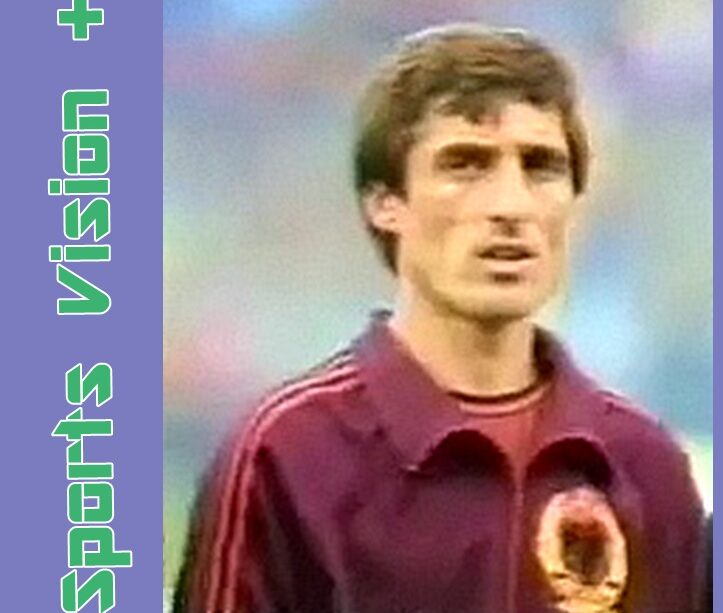
Haxhi Ballgjini, remains an elite model of tactical intelligence and unwavering physical durability. Across a magnificent journey that spanned nearly 17 continuous years on the green grass, he was widely recognized as the winger of iron stamina—a player who did not merely control the midfield, but dictated the tempo of every offensive transition, consistently dismantling the defensive setups of Western Europe’s greatest empires.
To witness Ballgjini during his technical peak in the late 1970s and 1980s was to observe a masterclass in spatial awareness, calculated distribution, and high professional focus. He served as the perfect tactical bridge linking the defensive lines with rapid, explosive away counter-attacks. Yet, his ultimate sporting monument was not sculpted on the pitch as an active player, but beautifully engineered from the technical dugout as a tactical mastermind.
This is the un-compromised chronicle of an outstanding champion—the maestro who earned the country’s highest Gold Medal honors, looked world-class international captains directly in the eye, and returned to his hometown to engineer an historic, unprecedented national coronation.
1
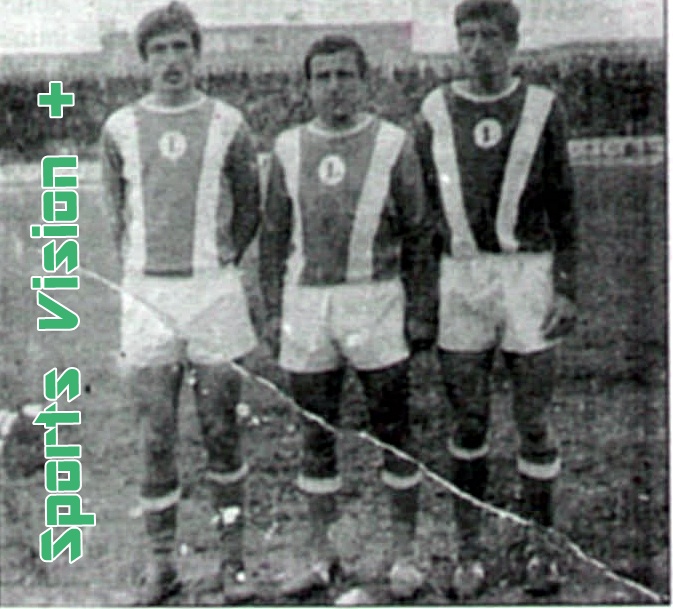
The long narrative transformation of Haxhi Ballgjini’s athletic life opened under the precise guidance of his first childhood coach, Filip Xhai, who discovered the 10-year-old talent playing in the grassroots structures of the coast. Xhai served as the ultimate foundational mentor, teaching him the absolute basics of ball control and positional discipline before Ballgjini advanced into the youth ranks of “Lokomotiva” Durrës under Sul Maliqati and Petraq Ikonomi. By December 31, 1975, at just twenty years of age, Ballgjini made his official top-flight senior debut in Kavajë during a high-stakes cup tie against “Besa”, immediately integrating into the first-team structure led by Skënder Jareci.
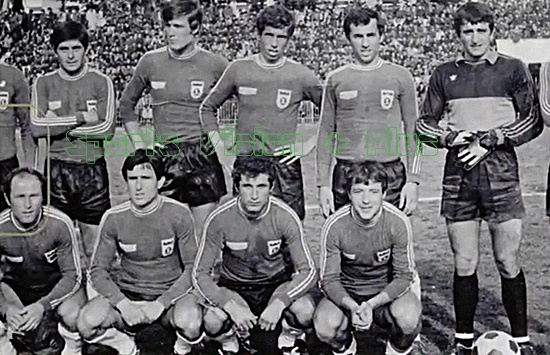
His vertical ascent was so impressive that by September 1979, the national draft machinery formally enlisted him for a 27-month military assignment, placing him directly into the star-studded roster of the capital’s ultimate powerhouse, “Partizani” Tiranë.
2
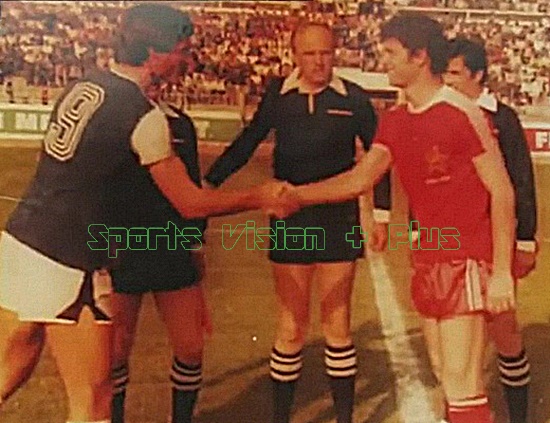
During this intense imperial era with the Reds, Ballgjini transformed into a major weapon on both the domestic and international stages. “Upon his arrival at “Partizani”, Ballgjini went on to form a steel midfield alongside F. Rragami and I. Lame—undoubtedly the finest midfield unit in the entire national championship, and rightfully so, as it simultaneously served as the core engine room for “Kombëtarja”.
“Long before his formal military draft, the capital giants had aggressively secured his services as a registered guest reinforcement for the Balkans Cup, where he struck a crucial goal during a dominant 4–0 blowout against Janina and orchestrated a 4–1 destruction of Yugoslavia’s Rijeka. Once fully settled in the capital, under the sophisticated guidance of Neptun Bajko and Gjergji Thaka, he drove “Partizani” to a Republic Cup title in 1980 and a glorious National Championship title in the 1980–1981 season.
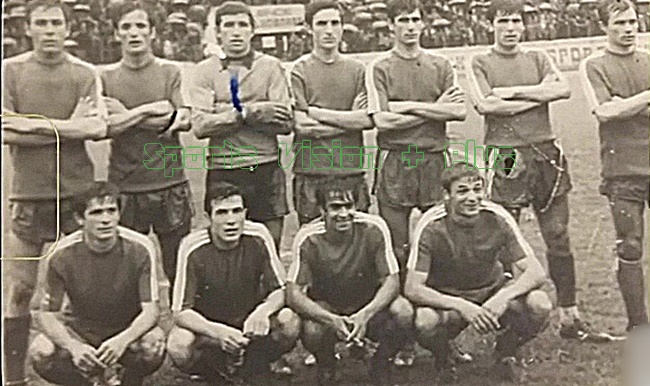
On the continental stage, his technical output was pristine, highlighted by a famous 1–0 European Cup victory over Scotland’s “Celtic” in Tiranë, and an unforgettable home leg against “Austria Wien” where Ballgjini personally struck the match-winning goal to avenge a bitter away loss in Vienna that had been completely ruined by highly controversial refereeing decisions.

3
His international pedigree within the youth national ranks stands as a statistical marvel of that era. In 1978, Ballgjini was a vital component of the historic side that captured the Balkan Youth Championship title under head coach Shyqyri Rreli, completely overturning a 3–1 first-leg deficit in Bucharest by demolishing Romania 7–1 in a legendary second-leg rampage in Tiranë. By October 1980, his senior debut for “Kombëtarja” (National Team) materialized in Sofia during a hard-fought 2–1 qualifier against Bulgaria.
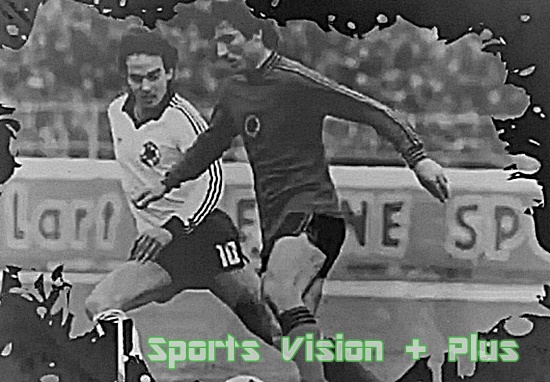
The ultimate pinnacle of his international career arrived in 1983, when he proudly wore the captain’s armband for “Kombëtarja” against a world-class West Germany side led by Karl-Heinz Rummenigge, navigating a narrow, competitive 2–1 defensive battle.
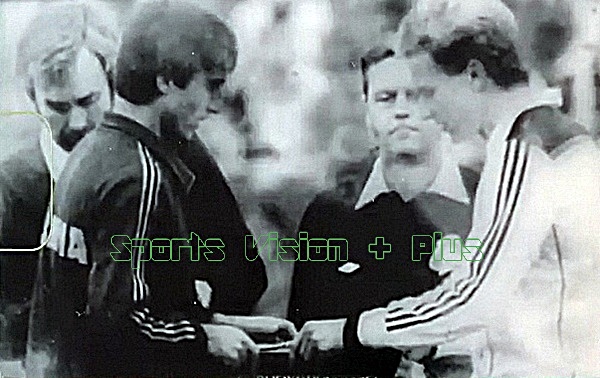
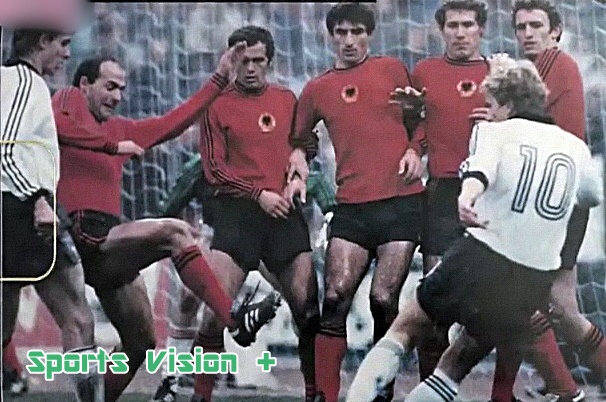
Facing a brutal qualification group that featured elite global icons like Belgium’s Enzo Scifo and Poland’s Zbigniew Boniek, Ballgjini anchored the team with immense dignity, even striking the decisive match-winner during a historic 1–0 international friendly victory against AEK Athens in Greece.
4
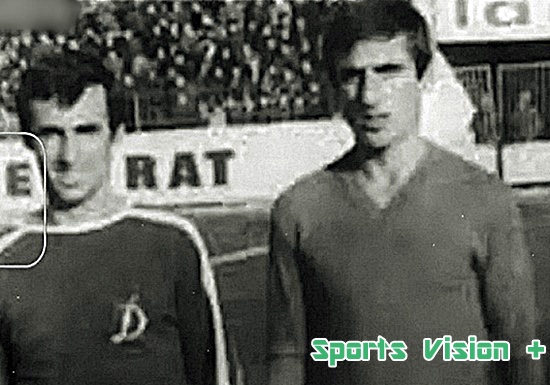
Upon completing his military duties, Ballgjini returned to his hometown to anchor “Lokomotiva” Durrës during a fascinating era from 1982 to 1986, sharing the pitch with his legendary brother, Shyqyri Ballgjini. The sibling rivalry was intense and deeply professional; during a fierce domestic league encounter where “Xhike” was starting for Durrës and Shyqi was wearing the colors of “Dinamo”, “Xhike” executed a heavy tactical challenge on his brother, prompting an immediate moment of frustration that dissolved the second Shyqi realized his biological sibling was the culprit.
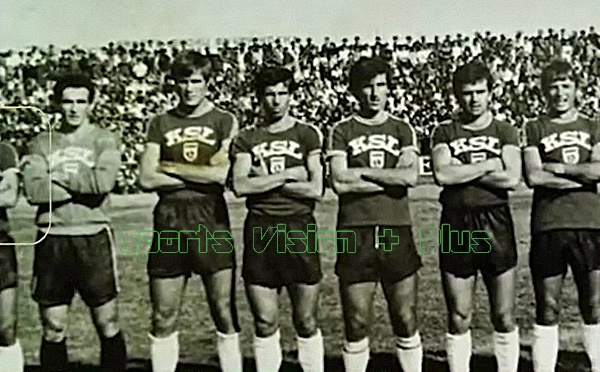
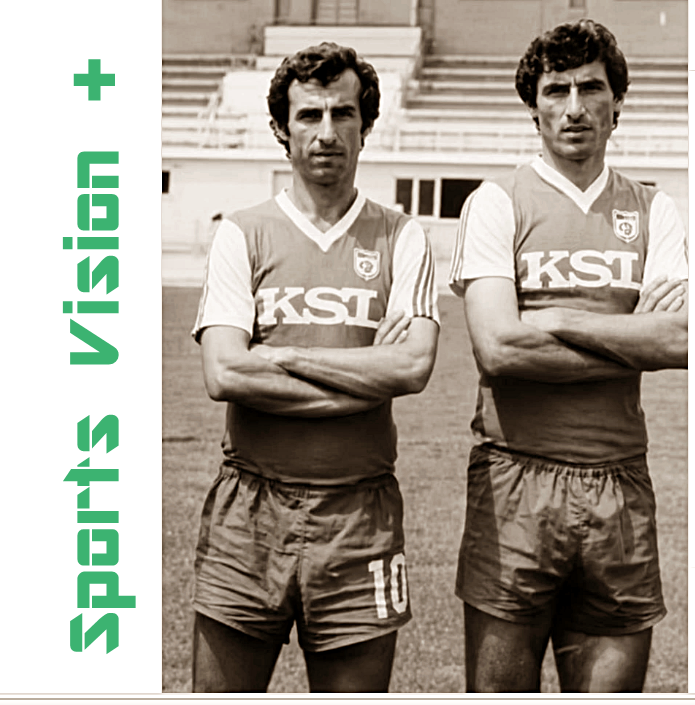
While the brothers pushed Durrës into serious title contention during the 1982–1983 and 1983–1984 marathons—ultimately falling just short as “Labinoti” Elbasan captured the crown—they battled through extreme infrastructural challenges. The team trained on heavily uneven natural grass pitches that turned into mud fortresses in winter and left their feet bleeding in summer, frequently finishing 90-minute battles without access to running water or wood-fired heating for the stadium showers, operating under strict federation physical benchmarks that modern domestic players no longer encounter.
5
Following his retirement from active playing in 1992 after a stellar 17-year playing career, Ballgjini immediately transitioned into a senior coaching role, accepting the technical direction of the newly re-branded “Teuta” Durrës. In 1994, he achieved what had eluded him for nearly two decades as a player, orchestrating a tactical masterpiece from the dugout to guide “Teuta” to their first and only National Championship title in club history.
The title was secured after a grueling battle against “Vllaznia” in Shkodër and a clinical 3–0 shutout in Kavajë, prompting an unprecedented celebratory caravan of vehicles that completely overwhelmed the national highway from Golem to the city entrance. The public squares were so densely packed with fanatical supporters that the team bus was forced to stop at a fuel station outside the city limits, culminating in an official civic celebration attended by the Prime Minister.
Ballgjini permanently etched his name into the city’s folklore as the architect who proved that success is not built on modern commercial comfort, but entirely forged through sacrifice, strict physical parameters, and local pride.
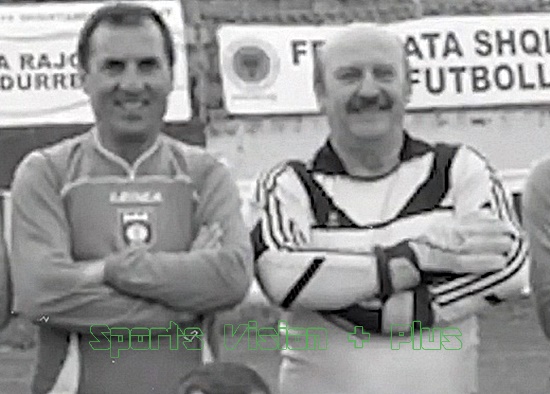
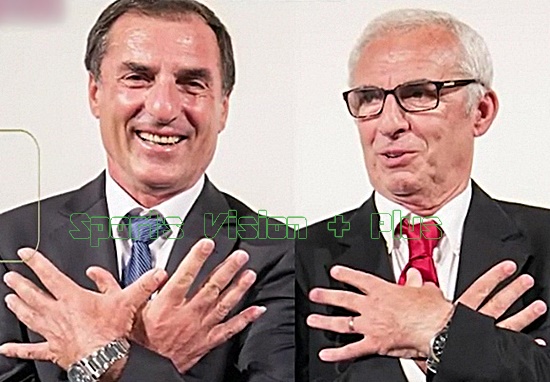
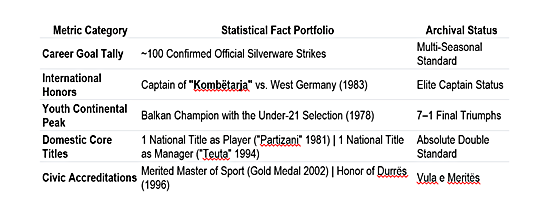
Technical Milestone Log: The Ballgjini Archival Portfolio
The verified operational databases archive the exceptional career parameters of Haxhi Ballgjini, detailing his multi-seasonal success as both an elite international captain and a championship-winning manager:
(C) Copyright
By Pjerin Bj
Bronx, New York: August 14-15, 2026
______________________________-
Sports Vision Plus + | Champions Hour in activity since 2013

Discover more from Sports Vision +
Subscribe to get the latest posts sent to your email.