The Roar of Shkodra: How “Vllaznia” Conquered the 1977–1978 National Championship!
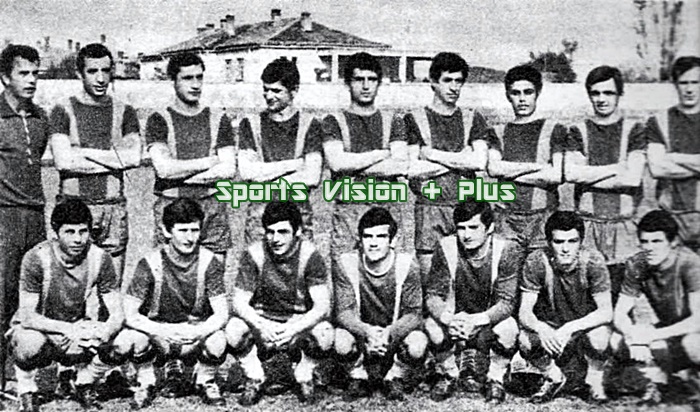
Prologue: The Northern Reclamation and the Triumph of the Shkodran Spirit
The 1977–1978 Albanian National Championship stands as a landmark testament to the enduring, unyielding power of pure, grassroots football heritage. In an era where the major institutional entities of the capital attempted to exert absolute control over the domestic game, a magnificent counter-narrative was being written on the banks of the Buna River.
The experimental, multi-phase tactical split of the previous season was tossed aside, returning the tournament to its most brutal, traditional, and honest form: a relentless, 22-match home-and-away sprint where every single point was carved out of grit, sweat, and absolute survival.
For five long years, the domestic game had existed in a state of introverted, total continental isolation. With the grand arenas of Europe locked away and the National Team bound to a ghostly phantom calendar, the entire physical and psychological energy of the nation’s finest athletes was funneled inward. The pitch became a sacred coliseum, a battlefield where local identity and regional pride were weaponized to challenge the status quo.
While the reigning champions of Dinamo and the military power of Partizani relied on structural discipline, it was Vllaznia Shkodër that captured the poetic soul of the 1977–1978 campaign. Driven by an infectious, traditional passion that set the northern grandstands on fire, Vllaznia transformed their home turf into an impenetrable fortress.
They marched into the arena with an uncompromised tactical elegance and a generation of local warriors who refused to be intimidated by the power structures of the capital. This is the chronicle of a monumental season of football—a story of defensive steel, shifting domestic empires, and the ultimate, golden coronation of the magnificent roar of Shkodra.
The Cradle of Pride: Shkodër and the Genesis of a Champion
To truly understand the historic coronation of the 1977–1978 season, one must first understand the ancient, unyielding soul of Shkodër. This is not merely a geographic point on a map; it is a cradle of undeniable values, a ancient capital of art, wit, and deep-rooted culture that has long set the tempo for the nation’s spiritual and athletic heritage.
Shkodër is a city defined by its scenery and distinct landmarks—guarded by the stones of the Rozafat Castle, caressed by the waters where the river Buna meets the lake, and echoing with the iconic, rhythmic lifestyle surrounding the historic “Kafja e Madhe”.
It is a place where life is handled with sharp wit, traditional “bejte” poetry, and a legendary humor that can deflate any adversary before a ball is even kicked. From the shores of Shiroka to the sweeping coastal expanses of Velipoja, the territory breathes a fierce, independent passion.
Yet, the raw blueprint for this specific championship was forged high above the city, hidden in the pristine mountain air and dense pine forests of Razma.
It was here, in this alpine sanctuary of clean air and heavy endurance, that the squad of “Vllaznia” established their pre-season base for tactical preparation and physical convalescence.
Before stepping onto the scorching turf of Phase I, the players pushed their physical boundaries in the thin air of Razma, building the ironclad stamina and defensive steel that would soon terrorize the capital ministries.
They did not just train; they absorbed the ancient defiance of their city, transforming local pride into a collective shield. When they descended from the heights of Razma to launch their campaign, “Vllaznia” marched into the arena with the tactical elegance of high art and the physical power of a mountain storm—ready to bring the ultimate sporting crown back to the streets of Shkodra.
Before we dive into the national championship, let us look at the international activity of our clubs and the ‘National Team – Kombetarja’
Clubs in Europe: The Vault of Silence and the Confined Generation
For the fifth consecutive season, the stadiums of Albania remained completely dark during major European midweek fixtures. The Albanian Football Association (FSHF) maintained its strict, absolute policy of international withdrawal, meaning that zero domestic clubs were entered into the UEFA velvet draw bags in Geneva.
Based purely on their athletic mastery from the previous season, “Dinamo” (Public Order & Police) would have naturally commanded the European Cup, while “17 Nëntori” Tiranë was natively entitled to weaponize the European Cup Winners’ Cup. Instead, a total continental blackout forced the domestic giants to look inward, focusing their entire physical and mental energy on the fierce domestic marathon at home.
This total absence became a monumental obstacle for the country’s finest football players. At the absolute peak of their physical powers, a legendary generation of local talent—men with the technical brilliance and tactical sophistication to challenge the absolute elite of European football—were completely starved of international validation.
By locking the gates to the continental stage, these structural restrictions confined magnificent masters of the ball to a domestic vacuum, leaving football purists forever wondering just how far these golden squads could have marched had they been permitted to test their limits on the European grass.
The 1977 Continental Lifeline
However, a critical crack in this absolute isolation appeared in Group B of the 1977 Balkans Cup. “Vllaznia” Shkodër stepped onto the pitch as the nation’s sole international standard-bearer, entering a highly competitive, three-way regional dogfight against Greece’s Panathinaikos and Yugoslavia’s Budućnost Titograd.
The northern side fought with immense heart across four intense matches, turning their home pitch into a highly stubborn testing ground for foreign visitors.
(April 17, 1977) Vllaznia 1–1 Panathinaikos (5` Basha, 24` Vakalis):
In a roaring home atmosphere in Shkodra, Vllaznia stood toe-to-toe with the Greek giants. They played with a sharp tactical fluidness to extract a hard-fought 1–1 draw, proving they could look elite professional opponents in the eye.
Line-up of Vllaznia against “Panathinaikos”: Perlat Musta – Suad Durraj; Lutfi Basha; Sulejman Starova; Millan Vaso – Ramazan Rragami; Sabah Bizi; Astrit Hafizi; Fatmir Pacrami – Ardian Arra; Medin Zhega.
Coach: Ramazan Rragami.
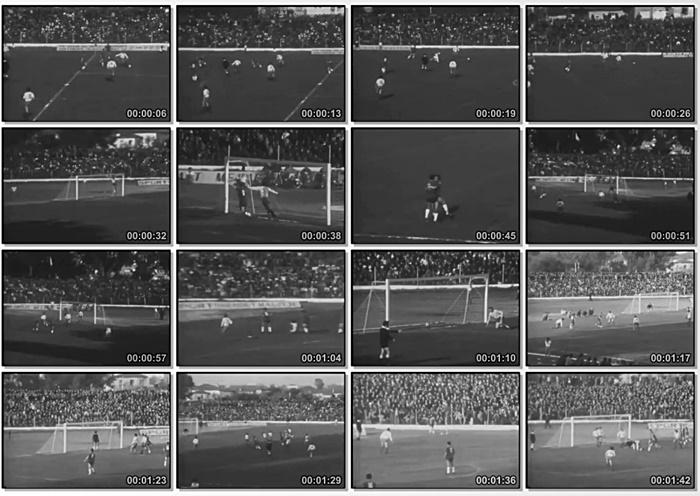
(May 26, 1977 ) Panathinaikos 3–0 Vllaznia (Giannakoulas 77′, 90′, Papadimitriou 82′)
The return leg in Greece saw the eventual tournament champions weaponize their home-field advantage. Panathinaikos put on a clinical attacking display, stretching Vllaznia’s backline to take a 3–0 win in Athens.
(April 27, 1977) Vllaznia 1–1 Budućnost (M.Vaso own goal 22`;
Pacrami 37`)
Hosting the dangerous Yugoslav side, Vllaznia put on a display of grit and defensive resilience. They countered effectively to secure their second 1–1 draw of the group stage, claiming another valuable point on the pitch.
(May 4, 1977) Budućnost 2–0 Vllaznia:
The campaign concluded on the road in Titograd. Budućnost struck early to take a 1–0 lead into the halftime tunnel, before adding a second in the final 45 minutes to seal a 2–0 victory despite a highly physical effort from the Shkodran squad.
Line-up of Vllaznia against Buducnost: Perlat Musta – Suad Durraj; Lutfi Basha; Sulejman Starova; Millan Vaso – Halil Puka; Sabah Bizi; Astrit Hafizi; Fatmir Pacrami – Ardian Arra; Medin Zhega. Coach: Ramazan Rragami.
(To note the first official international match of goalkeeper P. Musta)
Vllaznia finished at the bottom of the table, this high-stakes campaign provided their young roster with vital international experience. They returned home to channel that localized focus directly into their domestic campaign, sharpening the blades for their legendary march through the national championship.
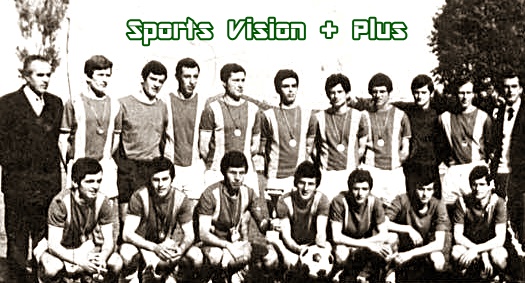
“Kombëtarja”: The Locked Gates and the Ghost Calendar
of the Late ’70s
In absolute, symmetrical synchronization with the total club isolation of the era, “Kombëtarja” (National Team) was forced into a state of deep, introverted exile. During the entire 1977–1978 international cycle, the beloved “Red and Blacks” did not kick a single football, hear a single official match whistle, or step onto a pitch for an official FIFA or UEFA international fixture.
When the continental qualification groups were drawn for the 1978 FIFA World Cup in Argentina, the federation chose to completely bypass entry. Alongside the microstate of “Liechtenstein”, Albania stood as a ghostly vacancy on the European sports map—the only established footballing nation on the continent to leave its boots at home.
This total withdrawal was not an isolated incident; it marked the agonizing peak of a six-year competitive blackout where “Kombëtarja” completely skipped the qualifying cycles for the 1970 World Cup, Euro 1976, World Cup 1978, and Euro 1980. Consequently, between May 1973 and September 1980, the senior national squad was entirely wiped from official international competition.
The true sporting tragedy of this isolation lay in the sheer quality of the talent that was blockaded inside the national borders. Elite masters of the ball like the clinical forward Ilir Përnaska, the dazzling winger Vasillaq Zëri, and the defensive wall of Shkodra were at the absolute zenith of their physical and technical powers. They possessed the precise tactical maturity to test any backline on the continent, yet their careers were restricted to localized training camps and internal exhibition matches.
By keeping the horizon completely frozen, these structural boundaries denied a golden generation of players their rightful place in European footballing history, ensuring that the legacy of “Kombëtarja” during these peak years remained unwritten.
The Gold of “Shpresa”: The 1978 Continental Coronation of the Under-21 Masters
While the senior national selection was trapped behind a frozen geopolitical horizon, a magnificent generation of youth talent was quietly dismantling the traditional power structures of the region. Known affectionately across the homeland as “Shpresa” (The Under-21 National Team), this exceptional squad functioned as a continuous conveyor belt of technical genius, tactical fluidity, and raw athletic defiance.

For a generation blockaded from mainstream UEFA integration, the 1978 Balkan Youth Championship (officially contested under the Under-21 format) became their absolute coliseum.
The Architecture of a Continental Masterpiece
The 10th edition of the tournament culminated in a legendary, double-legged grand final featuring “Shpresa” and a highly sophisticated, physical “Romania” Under-21 selection. What unfolded across those two epic legs was an unforgettable display of tactical character, away grit, and an absolute offensive explosion at home.

The First Leg (Away): “Shpresa” traveled behind enemy lines to face the Romanians on their home turf. In a highly hostile, intense tactical atmosphere, the Albanian starlets executed a rigid defensive blueprint. While they dropped a narrow decision on foreign soil, they restricted the damage perfectly, keeping the aggregate deficit within striking distance.
The Second Leg (Home — December 16, 1978): A date forever carved into the golden archives of the domestic game. Under the screaming, electric floodlights of a packed stadium in Tirana, “Shpresa” put on a display of total, unadulterated footballing dominance. They did not merely defeat the visitors; they completely destroyed them in a historic 7–1 humiliation.
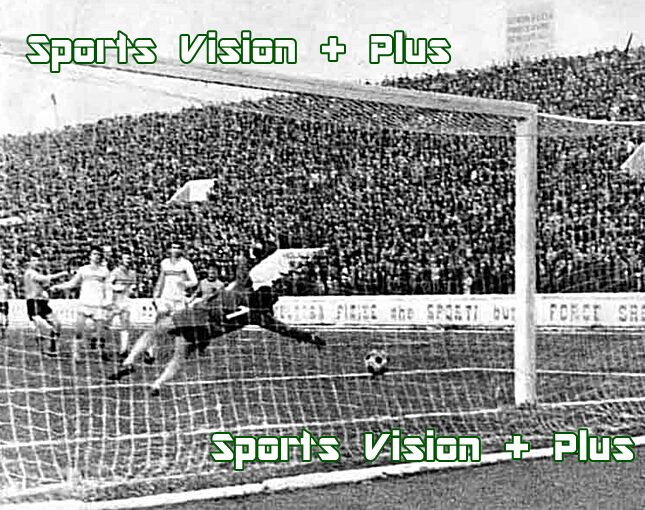
The Night Tirana Witnessed Perfection: The 1978 Continental Coronation of “Shpresa” U21.
The year 1978 stands as a landmark monument of a truly spectacular achievement for the history of the domestic game. It was a golden calendar year where a magnificent generation of youth talent rose above the geopolitical restrictions of their era to announce their elite class to the entire region.
On December 19, 1978, the final act of the Under-21 Balkan Championship took center stage. Having already executed a brilliant group-stage campaign to leave the powerhouse football nations of “Yugoslavia” and “Greece” trailing in their wake, the Albanian Under-21 selection—known affectionately as “Shpresa”—stepped onto the pitch for the decisive second leg of the Grand Final against a highly sophisticated “Romania” team. The stage was the absolutely packed, breathing coliseum of the “Qemal Stafa” Stadium in Tirana.
The mathematical mountain before the home side was immense. Exactly one week prior, during a bitterly freezing, frosty afternoon in Bucharest, the first leg had concluded in a tight, grueling battle that saw the Romanian hosts claim a 3–1 victory.
To overturn the aggregate deficit and secure the ultimate continental crown, the Albanian starlets entered the arena knowing they were required to win by at least a three-goal margin.
What unfolded under the Tirana floodlights was not merely a victory; it was a ruthless, historic masterpiece of modern attacking football. “Shpresa” did not just meet their target—they completely emptied an entire “magazine” of goals into the opponent’s net, dismantling the visitors in a stunning 7–1 humiliation.
The clinical offensive onslaught was orchestrated by a trio of magnificent attacking executioners who tore the Romanian backline to shreds:
Bajaziti: 31st, 44th, and 84th minute (Hat-trick)
Sh. Ballgjini: 73rd and 77th minute (Brace)
Minga: 83rd and 89th minute (Brace).

The sheer tactical fluidity of the home side drew immediate praise from the opposition dugout. Following the final whistle, the defeated Romanian manager, Jan Voika, stood in absolute admiration of the performance, gracefully declaring: “I congratulate the Albanian team, not only for their immense vitality on the pitch, but because they play a completely modern brand of football. They possess a highly promising future.”
The Championship Lineup & Technical Sheet
The master tactical orchestra behind this historic ensemble was led by the legendary managerial duo of Ramazan Rragami and Shyqyri Rreli. For this unforgettable final, they deployed a starting eleven that operated with the clockwork precision of a grand symphony:
Goalkeeper: Musta
Defenders: Ragami, Gega, Starova, Lleshi
Midfielders: Kola, H. Ballgjini, Marko
Forwards: Bajaziti, Minga, Sh. Ballgjini

TABLE
Group A
Yugoslavia 1-1 / 1-2 Albania
[Skopje, Jun 22, 1977 and Tiranė, Oct 12, 1977]
Greece 0-1 / 0-0 Albania
[Thessaloniki, Mar 15, 1978 and Tiranė, Apr 12, 1978]
STANDINGS:
1.Albania 2 2 0 4-2 6 | 2.Yugoslavia 2 1 1 7-4 5 | 3.Greece 0 1 3 1-6 1
Final
Romania 3-1 / 1-7 Albania
[Bucuresti, Dec 6, 1978 and Tiranë, Dec 16, 1978]
The 1977–1978 National Championship Final Table Entry
Now, let us return to the national championship of the 1977–1978 season.
The 1977–1978 Archive Core Data Box
Championship Format:
12 Teams | 22-Match Traditional Home-and-Away System
Reigning Champions: “Dinamo”
Republic Cup Holders: “17 Nëntori” Tiranë
Promoted from the Second Division: “Tomorri” Berat
(returning after a 5-year absence) and “Luftëtari” Gjirokastër.
According to last season’s final standings, the 12 participating clubs officially lined up as follows:
1. “Dinamo” (Reigning Champions)
2. “Skënderbeu” Korçë
3. “Vllaznia” Shkodër
4. “Partizani”
5. “17 Nëntori” Tiranë
6. “Lokomotiva” Durrës
7. “Flamurtari” Vlorë
8. “Labinoti” Elbasan
9. “Traktori” Lushnjë
10. “Shkëndija” Tiranë
11. “Tomorri” Berat
12. “Luftëtari” Gjirokastër
The Championship Race: Crucial Milestones & Structural Highlights
The 1977–1978 domestic campaign boasted an incredibly rigid and solid structure compared to past tournaments. It turned into a beautifully balanced war of attrition where the absolute difference between the eventual champions and the rock-bottom club was compressed to a razor-thin 11 points. For the fans and journalists of the era, it was a legendary calendar year, as the destiny of the ultimate crown was kept in suspense until the final 90 minutes of the season.
The northern powerhouse of “Vllaznia” initiated the marathon with an explosive, furious sprint, dismantling the three traditional heavyweights of the country back-to-back. They put on a clinical offensive display to crush the reigning champions “Dinamo” 3–0 in Shkodra, traveled to the capital to edge past “Partizani” 1–0, and completed the trilogy by downing “17 Nëntori” 3–2 on their own turf. This stunning trio of opening triumphs immediately evoked the famous Caesarian quote: “Veni, Vidi, Vici”—I came, I saw, I conquered.
However, by Week 4, a period of heavy, overcast weather settled over the Shkodran barometer, lasting for three consecutive weeks. “Vllaznia” hit a difficult patch, slipping 0–1 against “Shkëndija” in Tirana, dropping a point at home in a frustrating 1–1 draw with “Luftëtari”, and failing to pick a lock in a 0–0 stalemate away against “Tomorri” in Berat.
Despite surrendering four crucial points during this hesitation, “Vllaznia” still commanded the absolute summit of the table after Week 8 with 10 points. Remarkably, at the polar opposite end of the standings, the reigning champions “Dinamo” sat dead last in 12th place with a meager 5 points (recording just 2 wins, 1 draw, and 5 losses).
As the first half of the season drew to a close, “Partizani” relentlessly stalked “Vllaznia”‘s solitary march. However, after racking up five consecutive victories, the military club suffered a critical 0–1 roadblock away against “Lokomotiva” in Durrës on the final day of the phase.
Mid-Season Standings (Top 5):
1. “Vllaznia” – 15 pts
2. “Partizani” – 14 pts
3. “Flamurtari” – 13 pts
4. “Traktori” – 12 pts
5. “Tomorri” – 11 pts
The tactical revelation of the mid-season table was the presence of two traditionally “second-tier” entities inside the top five: “Traktori” and the newly promoted “Tomorri”, proving the immense quality of the provincial clubs.
The second phase exploded into pure drama in Week 17 when a ferocious “Cyclone Partizani” swept into Shkodra, inflicting a painful 3–1 defeat on a struggling “Vllaznia” squad. With “Partizani” snatching the solo lead, the storm deepened for the northerners as they traveled to the capital and fell 0–2 to “17 Nëntori”, allowing the military leaders to build a comfortable three-point cushion.
Yet, the distance was short-lived. “Partizani” crumbled in a tough 0–1 away loss to “Flamurtari” in Vlorë, while “Vllaznia” staged a magnificent response, completely dismantling “Tomorri” 4–0 in Berat to force a dead heat at the top of the table. Shortly after, when “17 Nëntori” handed “Partizani” a bitter 1–0 defeat and “Vllaznia” ground out a strategic 0–0 draw against “Labinoti”, the Shkodran barometer pointed toward clear, blue skies.
The Week 20 Plot Twist:
“Partizani” Falls: 0–1 vs. “Luftëtari” in Tirana (Title chances evaporate)
“Vllaznia” Draws: 0–0 vs. “Lokomotiva”
“Luftëtari” Surge: Climbs to 25 points to match the leaders
Week 20 introduced an unprecedented tactical narrative. “Partizani” dropped a catastrophic 0–1 home decision in Tirana to “Luftëtari”, a result that effectively eliminated the military club from the title picture.
Having quietly traveled an incredibly long distance without drawing the spotlight, the unheralded underdogs of Gjirokastër suddenly stepped into the starring role. Following “Vllaznia”‘s 0–0 stalemate with “Lokomotiva”, “Luftëtari” sat tied at the absolute summit with 25 points, closely followed by “Flamurtari” on 23. For the first time in the history of the national championship, “Vllaznia” and “Luftëtari” stood together on the pedestal, locked in a direct duel for the ultimate crown.
Meanwhile, at the opposite end of the grid, a nerve-wracking, parallel battle for First Division survival was unfolding between “Skënderbeu” and “Labinoti”.
In the penultimate Week 21, “Vllaznia” showcased the psychological depth of a champion. After trailing 0–2 at halftime against “Flamurtari”, they staged a ferocious second-half comeback to claim a historic 3–2 victory, paving their definitive path toward the trophy.
In Korçë, “Skënderbeu” handed “Partizani” their third consecutive defeat with a clinical 2–0 win, and “Labinoti” followed their example by shutting out “Dinamo” 1–0 to aid their survival hopes. Crucially, “Luftëtari” blinked; despite a relentless effort on their home turf in Gjirokastër, they were held to a frustrating 0–0 clean-sheet draw by a stubborn “Shkëndija” defense. This half-step allowed “Vllaznia” to breathe a sigh of relief, stepping into sole possession of first place with a single-point advantage.
The Final Day Countdown: The Minuteman of Shkodra
The final day of this thrilling campaign left the entire country glued to their radio sets. “Vllaznia” traveled to Lushnjë to face a dangerous “Traktori”, while “Luftëtari” was on the road in Berat against “Tomorri”.
The definitive climax materialized in the 69th minute of the match in Lushnjë. The iconic, 34-year-old veteran forward Medin Zhega found the back of the net, striking a magnificent, decisive second goal to seal the victory and crown “Vllaznia” Champions of Albania for the fifth time in their history!
Simultaneously in Berat, a wild, high-scoring thriller was unfolding between “Tomorri” and “Luftëtari”. With the scoreboard locked in a frantic 3–3 gridlock, the legendary striker Përparim Kovaçi struck a lethal fourth goal past the Gjirokastër keeper, sealing a 4–3 win for the hosts and completely shattering the ultimate title dreams of “Luftëtari”.
The Final Day Scoreboard Real-Time:
Lushnjë: “Traktori” vs. “Vllaznia” ➔ Zhega scores in the 69′ (Champs!)
Berat: “Tomorri” 4–3 “Luftëtari” ➔ Kovaçi seals a 7-goal thriller
🏆 The Championship Lineup & Technical Sheet
The legendary tactical orchestra that brought the championship trophy back to the North was orchestrated by the mastermind manager Xhevdet Shaqiri. This exceptional squad of local warriors operated with absolute structural harmony:
Goalkeeper:
Isa Sukaj; Genc Boshnjaku; Fatmir Lelaj
Defending Line:
Lutfi Basha, Sabah Bizi, Enver Hafizi, Millan Vaso,
Seit Canga; Suad Durraj; Hysen Dedja
Engine Room (Midfield):
Luan Vukatana, Astrit Hafizi,
Ferid Borshi, Sabah Bizi
Attacking Core:
Medin Zhega, Fatmir Paçrami, Ardian Arra;
Selman Gruda, Fatmior Axhani
Coach: Xhevdet Shaqiri; Ramzan Rragami
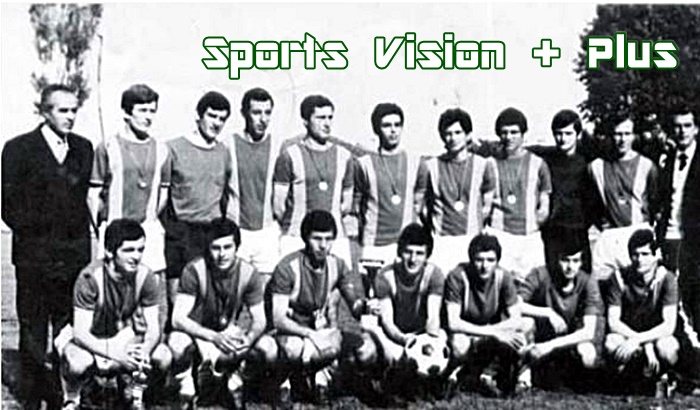
The top goalscorer of this championship was
Agim Murati (“Partizani”) with 14 goals
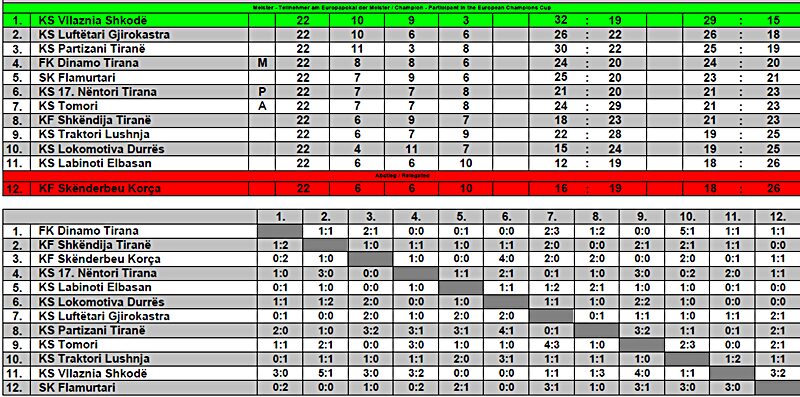
The complete, meticulously detailed result map sorted in strict alphabetical order. For each club, its entire home campaign is presented first, followed immediately by its entire away campaign:
1. “Dinamo”
Home Matches:
vs. “17 Nëntori”: 0–0 | vs. “Flamurtari”: 1–1 | vs. “Labinoti”: 0–1 | vs. “Lokomotiva”: 0–0 | vs. “Luftëtari”: 2–3 | vs. “Partizani”: 1–2 | vs. “Skënderbeu”: 2–1 | vs. “Shkëndija”: 1–1 | vs. “Tomorri”: 0–0 | vs. “Traktori”: 5–1 | vs. “Vllaznia”: 1–1
Away Matches:
@ “17 Nëntori”: 1–0 | @ “Flamurtari”: 0–2 | @ “Labinoti”: 0–1 | @ “Lokomotiva”: 1–1 | @ “Luftëtari”: 0–1 | @ “Partizani”: 2–0 | @ “Skënderbeu”: 0–2 | @ “Shkëndija”: 1–2 | @ “Tomorri”: 1–1 | @ “Traktori”: 0–1 | @ “Vllaznia”: 3–0
2. “Flamurtari”
Home Matches:
vs. “17 Nëntori”: 0–2 | vs. “Dinamo”: 0–2 | vs. “Labinoti”: 2–1 | vs. “Lokomotiva”: 0–0 | vs. “Luftëtari”: 3–2 | vs. “Partizani”: 1–0 | vs. “Skënderbeu”: 1–0 | vs. “Shkëndija”: 0–0 | vs. “Tomorri”: 3–1 | vs. “Traktori”: 3–0 | vs. “Vllaznia”: 3–0
Away Matches:
@ “17 Nëntori”: 1–1 | @ “Dinamo”: 1–1 | @ “Labinoti”: 0–0 | @ “Lokomotiva”: 0–0 | @ “Luftëtari”: 2–1 | @ “Partizani”: 2–1 | @ “Skënderbeu”: 1–1 | @ “Shkëndija”: 0–0 | @ “Tomorri”: 2–1 | @ “Traktori”: 1–1 | @ “Vllaznia”: 3–2
3. “Labinoti”
Home Matches:
vs. “17 Nëntori”: 1–0 | vs. “Dinamo”: 0–1 | vs. “Flamurtari”: 0–0 | vs. “Lokomotiva”: 1–1 | vs. “Luftëtari”: 1–2 | vs. “Partizani”: 2–1 | vs. “Skënderbeu”: 0–0 | vs. “Shkëndija”: 1–0 | vs. “Tomorri”: 1–0 | vs. “Traktori”: 1–0 | vs. “Vllaznia”: 0–1
Away Matches:
@ “17 Nëntori”: 1–1 | @ “Dinamo”: 0–1 | @ “Flamurtari”: 2–1 | @ “Lokomotiva”: 1–0 | @ “Luftëtari”: 2–0 | @ “Partizani”: 3–1 | @ “Skënderbeu”: 0–0 | @ “Shkëndija”: 1–0 | @ “Tomorri”: 1–0 | @ “Traktori”: 2–0 | @ “Vllaznia”: 0–0
4. “Lokomotiva”
Home Matches:
vs. “17 Nëntori”: 0–0 | vs. “Dinamo”: 1–1 | vs. “Flamurtari”: 0–0 | vs. “Labinoti”: 1–0 | vs. “Luftëtari”: 1–1 | vs. “Partizani”: 1–0 | vs. “Skënderbeu”: 2–0 | vs. “Shkëndija”: 1–2 | vs. “Tomorri”: 2–2 | vs. “Traktori”: 1–0 | vs. “Vllaznia”: 0–0
Away Matches:
@ “17 Nëntori”: 2–1 | @ “Dinamo”: 0–0 | @ “Flamurtari”: 0–0 | @ “Labinoti”: 1–1 | @ “Luftëtari”: 2–0 | @ “Partizani”: 4–1 | @ “Skënderbeu”: 4–0 | @ “Shkëndija”: 1–1 | @ “Tomorri”: 1–0 | @ “Traktori”: 3–1 | @ “Vllaznia”: 0–0
5. “Luftëtari”
Home Matches:
vs. “17 Nëntori”: 1–0 | vs. “Dinamo”: 0–1 | vs. “Flamurtari”: 2–1 | vs. “Labinoti”: 2–0 | vs. “Lokomotiva”: 2–0 | vs. “Partizani”: 0–1 | vs. “Skënderbeu”: 2–0 | vs. “Shkëndija”: 0–0 | vs. “Tomorri”: 1–1 | vs. “Traktori”: 1–0 | vs. “Vllaznia”: 1–1
Away Matches:
@ “17 Nëntori”: 0–1 | @ “Dinamo”: 2–3 | @ “Flamurtari”: 3–2 | @ “Labinoti”: 1–2 | @ “Lokomotiva”: 1–1 | @ “Partizani”: 0–1 | @ “Skënderbeu”: 2–0 | @ “Shkëndija”: 2–0 | @ “Tomorri”: 4–3 | @ “Traktori”: 1–1 | @ “Vllaznia”: 1–1
6. “Partizani”
Home Matches:
vs. “17 Nëntori”: 3–1 | vs. “Dinamo”: 2–0 | vs. “Flamurtari”: 2–1 | vs. “Labinoti”: 3–1 | vs. “Lokomotiva”: 4–1 | vs. “Luftëtari”: 0–1 | vs. “Skënderbeu”: 3–2 | vs. “Shkëndija”: 1–0 | vs. “Tomorri”: 3–2 | vs. “Traktori”: 1–1 | vs. “Vllaznia”: 0–1
Away Matches:
@ “17 Nëntori”: 1–0 | @ “Dinamo”: 1–2 | @ “Flamurtari”: 1–0 | @ “Labinoti”: 2–1 | @ “Lokomotiva”: 1–0 | @ “Luftëtari”: 0–1 | @ “Skënderbeu”: 2–0 | @ “Shkëndija”: 0–0 | @ “Tomorri”: 1–0 | @ “Traktori”: 1–1 | @ “Vllaznia”: 1–3
7. “17 Nëntori”
Home Matches:
vs. “Dinamo”: 1–0 | vs. “Flamurtari”: 1–1 | vs. “Labinoti”: 1–1 | vs. “Lokomotiva”: 2–1 | vs. “Luftëtari”: 0–1 | vs. “Partizani”: 1–0 | vs. “Skënderbeu”: 0–0 | vs. “Shkëndija”: 3–0 | vs. “Tomorri”: 3–0 | vs. “Traktori”: 0–2 | vs. “Vllaznia”: 2–0
Away Matches:
@ “Dinamo”: 0–0 | @ “Flamurtari”: 0–2 | @ “Labinoti”: 1–0 | @ “Lokomotiva”: 0–0 | @ “Luftëtari”: 1–0 | @ “Partizani”: 3–1 | @ “Skënderbeu”: 1–0 | @ “Shkëndija”: 1–1 | @ “Tomorri”: 3–0 | @ “Traktori”: 1–1 | @ “Vllaznia”: 3–2
8. “Skënderbeu”
Home Matches:
vs. “17 Nëntori”: 1–0 | vs. “Dinamo”: 0–2 | vs. “Flamurtari”: 1–1 | vs. “Labinoti”: 0–0 | vs. “Lokomotiva”: 4–0 | vs. “Luftëtari”: 2–0 | vs. “Partizani”: 2–0 | vs. “Shkëndija”: 1–0 | vs. “Tomorri”: 0–0 | vs. “Traktori”: 2–0 | vs. “Vllaznia”: 0–1
Away Matches:
@ “17 Nëntori”: 0–0 | @ “Dinamo”: 2–1 | @ “Flamurtari”: 1–0 | @ “Labinoti”: 0–0 | @ “Lokomotiva”: 2–0 | @ “Luftëtari”: 2–0 | @ “Partizani”: 3–2 | @ “Shkëndija”: 1–0 | @ “Tomorri”: 0–0 | @ “Traktori”: 1–0 | @ “Vllaznia”: 3–0
9. “Shkëndija”
Home Matches:
vs. “17 Nëntori”: 1–1 | vs. “Dinamo”: 1–2 | vs. “Flamurtari”: 0–0 | vs. “Labinoti”: 1–0 | vs. “Lokomotiva”: 1–1 | vs. “Luftëtari”: 2–0 | vs. “Partizani”: 0–0 | vs. “Skënderbeu”: 1–0 | vs. “Tomorri”: 2–1 | vs. “Traktori”: 2–1 | vs. “Vllaznia”: 1–1
Away Matches:
@ “17 Nëntori”: 3–0 | @ “Dinamo”: 1–1 | @ “Flamurtari”: 0–0 | @ “Labinoti”: 1–0 | @ “Lokomotiva”: 1–2 | @ “Luftëtari”: 0–0 | @ “Partizani”: 1–0 | @ “Skënderbeu”: 1–0 | @ “Tomorri”: 2–1 | @ “Traktori”: 1–1 | @ “Vllaznia”: 5–1
10. “Tomorri”
Home Matches:
vs. “17 Nëntori”: 3–0 | vs. “Dinamo”: 1–1 | vs. “Flamurtari”: 2–1 | vs. “Labinoti”: 1–0 | vs. “Lokomotiva”: 1–0 | vs. “Luftëtari”: 4–3 | vs. “Partizani”: 1–0 | vs. “Skënderbeu”: 0–0 | vs. “Shkëndija”: 2–1 | vs. “Traktori”: 2–3 | vs. “Vllaznia”: 0–0
Away Matches:
@ “17 Nëntori”: 3–0 | @ “Dinamo”: 0–0 | @ “Flamurtari”: 3–1 | @ “Labinoti”: 1–0 | @ “Lokomotiva”: 2–2 | @ “Luftëtari”: 1–1 | @ “Partizani”: 3–2 | @ “Skënderbeu”: 0–0 | @ “Shkëndija”: 2–1 | @ “Traktori”: 1–0 | @ “Vllaznia”: 4–0
11. “Traktori”
Home Matches:
vs. “17 Nëntori”: 1–1 | vs. “Dinamo”: 0–1 | vs. “Flamurtari”: 1–1 | vs. “Labinoti”: 2–0 | vs. “Lokomotiva”: 3–1 | vs. “Luftëtari”: 1–1 | vs. “Partizani”: 1–1 | vs. “Skënderbeu”: 1–0 | vs. “Shkëndija”: 1–1 | vs. “Tomorri”: 1–0 |
vs. “Vllaznia”: 1–2
Away Matches:
@ “17 Nëntori”: 0–2 | @ “Dinamo”: 5–1 | @ “Flamurtari”: 3–0 | @ “Labinoti”: 1–0 | @ “Lokomotiva”: 1–0 | @ “Luftëtari”: 1–0 | @ “Partizani”: 1–1 | @ “Skënderbeu”: 2–0 | @ “Shkëndija”: 2–1 | @ “Tomorri”: 2–3 | @ “Vllaznia”: 1–1
12. “Vllaznia” – THE CHAMPIONS CAMPAIN
Home Matches:
vs. “17 Nëntori”: 3–2 | vs. “Dinamo”: 3–0 | vs. “Flamurtari”: 3–2 | vs. “Labinoti”: 0–0 | vs. “Lokomotiva”: 0–0 | vs. “Luftëtari”: 1–1 | vs. “Partizani”: 1–3 | vs. “Skënderbeu”: 3–0 | vs. “Shkëndija”: 5–1 | vs. “Tomorri”: 4–0 | vs. “Traktori”: 1–1
Away Matches:
@ “17 Nëntori”: 2–0 | @ “Dinamo”: 1–1 | @ “Flamurtari”: 3–0 | @ “Labinoti”: 0–1 | @ “Lokomotiva”: 0–0 | @ “Luftëtari”: 1–1 | @ “Partizani”: 0–1 | @ “Skënderbeu”: 0–1 | @ “Shkëndija”: 1–1 | @ “Tomorri”: 0–0 | @ “Traktori”: 1–2
© By Pjerin Bj
Bryant Park, July 20, 2026
___________________
Sport Vision + Plus | Champion Hour in activity since 2013

Discover more from Sports Vision +
Subscribe to get the latest posts sent to your email.