“Partizani” – “Malmö”: Waiting for Europe, where the evening of the European dream ended in a draw!
“Partizani” – “Malmö”: One Goal Away from History
Prologue
In the autumn of 1980, “Partizani” faced “Malmö FF” in the first round of the European Cup Winners’ Cup for the 1980–1981 season. The draw for the competition had been held in Zurich as early as July 1980.
For the Albanian club, winners of the “Republic Cup”, this was an important challenge against an opponent with experience and a rich history in Swedish football.
“Partizani”, who had just won their 11th trophy after defeating “Labinoti” of Elbasan, were under the guidance of coach Bejkush Birçe and had experienced players and talented prospects in their ranks. Among them were captain Safet Berisha, goalkeeper Perlat Musta, defenders Kastriot Hysi and Arjan Hametaj, midfielders Haxhi Ballgjini, Ferid Rragami and Ilir Lame, and, of course, forwards Agim Murati and Bujar Hado.
The 1979–1980 National Championship season had not gone particularly well for the red military team. “Partizani” had finished in fourth place with 29 points, eight points behind their eternal rivals “Dinamo”, who had won the league title.
Standing opposite them was “Malmö FF”, winners of the Swedish Cup in 1980 and one of the best-known clubs in Swedish football. The squad featured goalkeeper Jan Möller, midfielder Robert Prytz and forward Thomas Sjöberg. The 1980 team included six players identified as Swedish internationals.
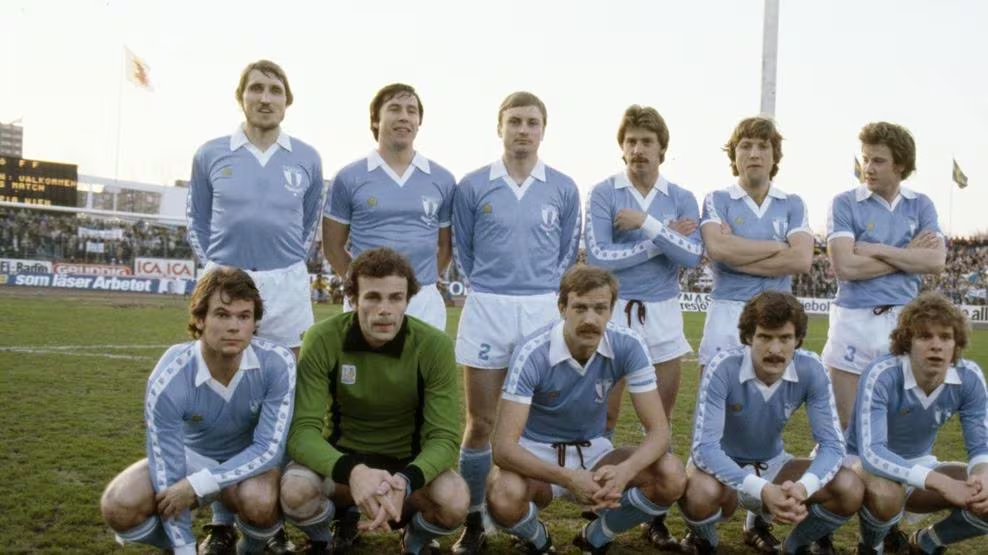
For Albanian supporters, the return match in Tirana was a special occasion. The atmosphere surrounding the fixture could be felt throughout Tirana, especially among the passionate “Partizani” supporters, who needed to overturn the narrow defeat from the first leg and seek qualification in front of their home crowd.
First Leg: “Malmö” – “Partizani”
On 17 September 1980, in Malmö, at the city’s “Eleda” stadium, the two teams met in the first match of the first round of the Cup Winners’ Cup. The game was played before an attendance of 3,112 spectators and was officiated by referee Aleksander Suchanek.
The first half ended goalless, with “Partizani” managing to maintain the balance against the home side. “Partizani” were well organized defensively and managed to deal successfully with the Swedes’ attacks.
The second half brought the decisive substitution in the 58th minute. Seeing that the match had become bogged down, “Malmö” coach, the Englishman Keith Blunt, took forward Tommy Hansson off and brought Scottish striker Paul McKinnon onto the pitch.
And then, in the 63rd minute, just five minutes after coming on, Paul McKinnon scored the only goal of the match (1–0), finally breaking through the tightly packed defence of the Reds after numerous attempts.
“Partizani’s” strong defence meant that “Malmö” won by just a one-goal margin, leaving everything open for the return leg.
It is worth mentioning that “Malmö”, just one year earlier, in 1979, had reached the European Cup final (today’s Champions League) and had expected an easy victory, but that was not how things turned out.
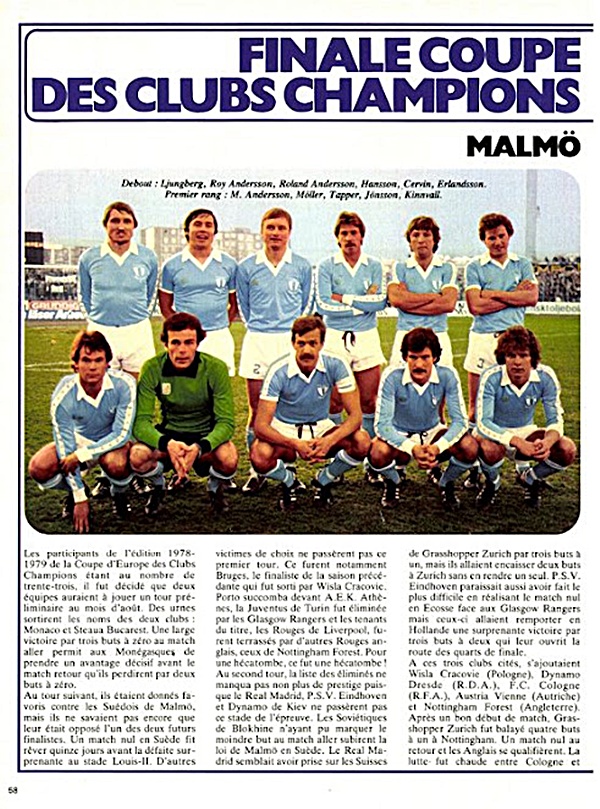 Nevertheless, although “Partizani” lost the first match, they delivered an outstanding tactical performance, surprising the Swedes with their defensive organization and dangerous counterattacks.
Tactical Preparation and a Surprising Performance
“Partizani” coach Bejkush Birçe was a true strategist. One might have thought he had graduated from the “Coverciano” coaching school in Italy, rather than from a small country such as Albania. He had built a “wall” in which players such as Ferid Rragami, nicknamed “The Wolf”, Ilir Lame and Sulejman Starova applied suffocating pressure in midfield.
“Malmö’s” stars, such as Robert Prytz, who would later play for “Rangers” and “Atalanta”, together with captain Roy Andersson, were unable to find space.
Swedish Nervousness
During the first half, Malmö’s players began to lose their composure and rush their passes. They certainly had not expected a team from isolated Albania to display such a high level of tactical and physical discipline.
Unable to penetrate the penalty area, the Swedes began trying powerful shots from outside the box through Thomas Sjöberg and Jan-Olov Kinnvall, but Perlat Musta was equal to the task that day.
The legendary “Partizani” goalkeeper seemed to fly across the goal in that encounter, astonishing even his opponents. Among other things, he made two decisive saves in the first half. On one occasion, following a header from a corner, Musta quickly threw himself towards the far post and kept out a ball that was heading for the net.
The Red defence also proved “heroic”.
The central defensive pairing of the tall captain Safet Berisha and Kastriot Hysi cleared several dangerous crosses, winning almost every aerial duel against the tall Swedish forwards.
Sefedin Braho and “Partizani’s” Counterattacks
“Partizani’s” counterattacks and dangerous moments, carried out with military-like tactical discipline, were clearly visible and spread panic among the home team.
“Partizani” had certainly not travelled to Sweden simply to defend. Whenever they won possession, Birçe’s Reds launched quick counterattacks that put “Malmö’s” defence on alert. The protagonist of these counterattacks was none other than the outstanding forward from Gjirokastër, Sefedin Braho, “Partizani’s” “arrow”, who was the main threat to the home side. Thanks to his speed, he beat Swedish international defender Roland Andersson for pace on two occasions.
On one of these moves in the first half, Braho delivered a dangerous cross into the box for Musa Fagu, but Swedish goalkeeper Jan Möller intervened at the last moment, before Fagu could turn the ball into the net.
H.Ballgjini’s Big Chance
Nevertheless, “Partizani’s” most dangerous moment came through H. Ballgjini. After a quick combination with Lame in midfield, Ballgjini broke down the left and unleashed a powerful diagonal shot. The ball beat Swedish goalkeeper Möller but, unfortunately for “Partizani”, finished just wide of the far post. It was a moment that could have completely changed the course of the qualification battle.
“Malmö’s” Goal
“Malmö’s” English coach, Keith Blunt, admitted in an interview after the match that he had found himself tactically blocked. He realised that his team could not break through the Albanian defence with their ground game, so in the 58th minute he brought on Paul McKinnon, a typical English-style striker, very strong in the air.
In the 63rd minute, following a high cross into the penalty area, McKinnon used his height to his advantage and scored the only goal with a powerful header. Even after conceding, “Partizani” did not give up and kept the score at 1–0, leaving the pitch to applause from the Swedish crowd, who appreciated the dignity and quality of the Albanian team’s performance.
The only goal of the match and the narrow 1–0 victory in favour of “Malmö” left “Partizani” with a difficult, but not impossible, task for the return leg in Tirana.
Second Leg: “Partizani” – “Malmö”
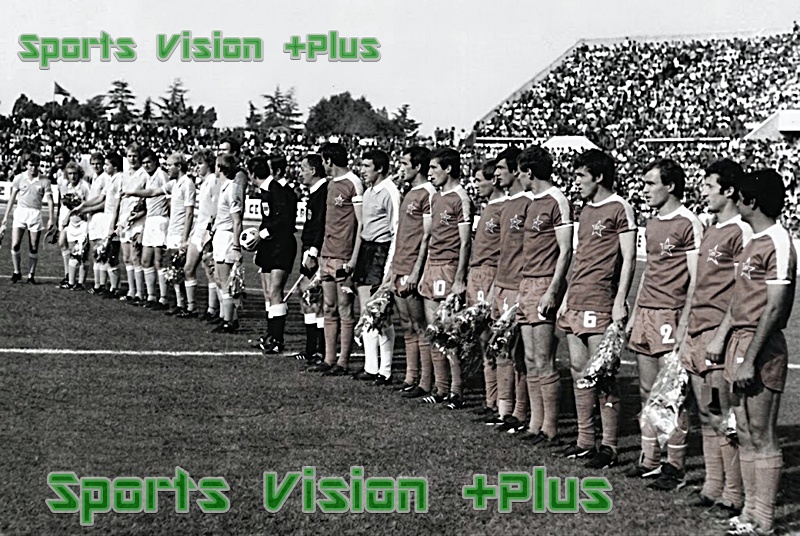
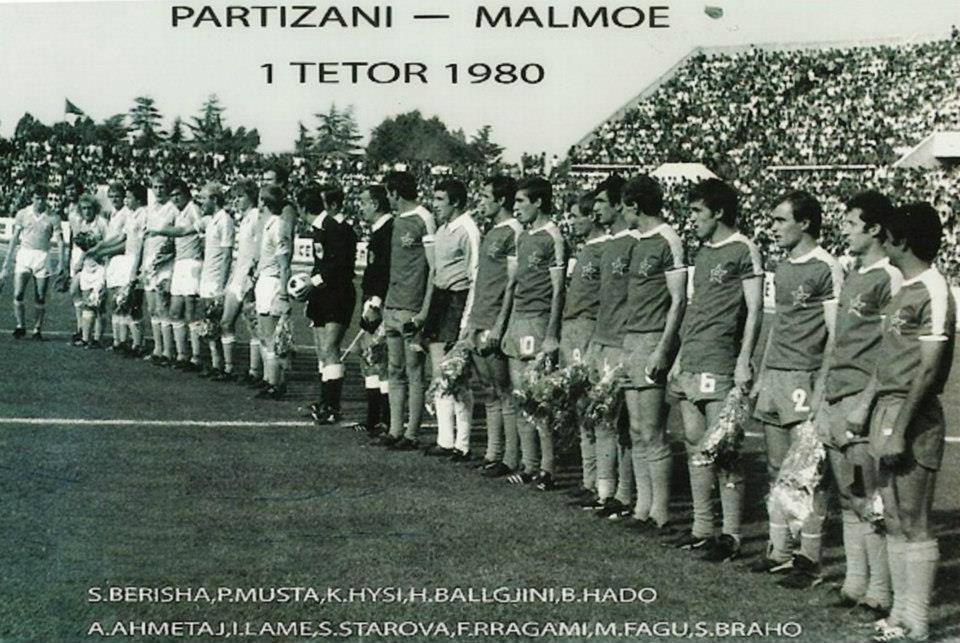
On 1 October 1980, the national stadium “Qemal Stafa” in Tirana hosted the return leg. “Partizani” needed a victory to continue their European campaign, while “Malmö” sought to protect the advantage they had established in Sweden.
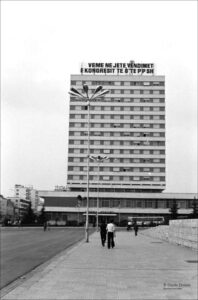
Tirana on the Eve of the Match
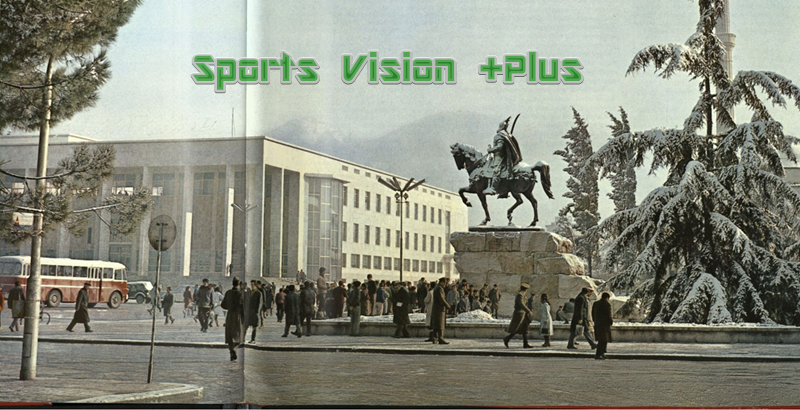
Tirana on 1 October 1980 was a city that rarely welcomed visitors from abroad. Albania at the time lived in isolation, far removed from the pace of life and the sights that Swedish footballers from “Malmö FF” were accustomed to back home. For them, the journey to the Albanian capital was not simply an away fixture, but an unusual experience.
Roland Andersson, a “Malmö” player during that period, would recall this visit years later as one of the most unusual experiences of his career. The team stayed in a hotel in central Tirana. The city around them aroused curiosity: there were few cars on the streets, a reality unfamiliar to the Swedes, and people were eager to see up close the foreigners who had come for the football match.
The curiosity was also evident at the training ground. Andersson recalls that “Malmö FF’s” training sessions were watched by 4,000–5,000 people. It was an extraordinary number for a training session, but visits by foreign teams were rare, and their presence was an event in itself.
The Swedish journalists’ trip was also surrounded by tension. Thure Isacsson of the newspaper “Kvällsposten” was denied a visa after writing a critical article about the first match. In solidarity with their colleague, the Swedish journalists boycotted the trip to Tirana. As a result, the return match would take place without the presence of the Swedish press that normally followed the team.
For the players, however, everything would be focused on the pitch. At “Qemal Stafa”, “Partizani” faced a difficult task: overturning their 0–1 defeat in the first leg in Malmö. One goal would level the aggregate score; every minute without a goal brought “Malmö” closer to qualification.
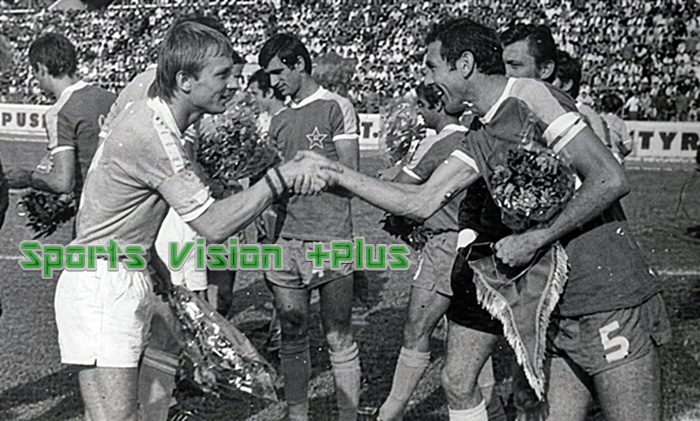
When the teams walked onto the pitch, the encounter was no longer just an unusual journey for the Swedes or an important evening for Albanian football. It was the match that would decide which team continued its journey in the Cup Winners’ Cup.
The Red Pressure and the Swedish Wall!
The match began in a fiery atmosphere at “Qemal Stafa”. Trailing 1–0 from the first leg, Bejkush Birçe’s “Partizani” immediately went on the attack. Sefedin Braho and Haxhi Ballgjini tried several times to break through on the wings, but “Malmö’s” defence, led by Roy Andersson, remained firm. Aware of the danger, the Swedes dropped back, managing the pace of the game and defending with considerable discipline. The first half ended with the score still goalless, amid the anxiety of the home supporters.
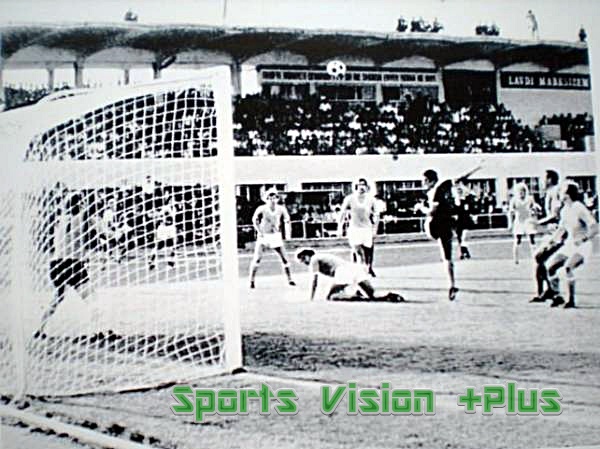
Second Half: The Dramatic Penalty Episode
In the second half, “Partizani” increased the pressure on the southern goal of the stadium. During a determined and very dangerous attacking move inside the penalty area, one of the Swedish defenders made an illegal challenge. Hungarian referee Sándor Kuti did not hesitate and awarded a penalty to “Partizani”.
The Penalty Kick
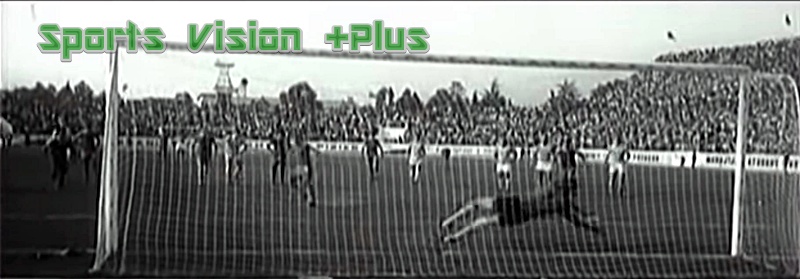
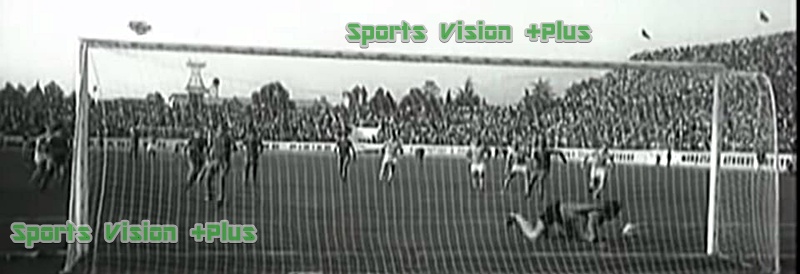
The great responsibility fell on the shoulders of the Reds’ towering midfielder, Ferid Rragami, known as “The Wolf”. It was the golden opportunity to level the aggregate score at 1–1. Rragami took his run-up, but his shot lacked the necessary power and accuracy. “Malmö” goalkeeper Jan Möller made the right move and saved the ball without too much difficulty, breaking the hearts of thousands of spectators.
The End of the Match: Desperate Attacks
The missed penalty left a psychological mark, but the Reds did not give up. Coach Birçe made a change to refresh the team in the 76th minute, taking Musa Fagu off and bringing Feim Breca into attack to add more firepower.
“Malmö” responded by closing down every available space and making tactical substitutions (Kinnvall and Strömbäck came off to make way for more defensive players).
Despite their efforts until the final seconds, “Partizani” could not find the goal. The match ended 0–0, a result that sent “Malmö” through but left behind the great regret of that missed penalty at the southern end of the stadium.
This episode remained in the memory of older supporters for a long time.
“Partizani” failed to find the goal that would have restored the balance in the aggregate score. After the two matches, “Malmö” qualified with a 1–0 aggregate victory.
For “Partizani”, the European adventure ended with a home draw, but the encounter remained an important chapter in the club’s international history.
Archival Record
Cup Winners’ Cup 1980–1981
First Match of the First Round
“Malmö FF” 1–0 “Partizani”
Date: 17 September 1980
Location: Malmö, Sweden
Stadium: Malmö Stadion (Eleda Stadion)
Attendance: 3,112
Referee: Aleksander Suchanek (Poland)
Malmö FF: Jan Möller, Roland Andersson, Tim Parkin, Kent Jönsson, Ingemar Erlandsson, Magnus Andersson, Robert Prytz, Roy Andersson, Jan-Olov Kinnvall, Thomas Sjöberg, Tommy Hansson (Paul McKinnon 58′).
Coach: Keith Blunt
Partizani: Perlat Musta, Kastriot Hysi, Safet Berisha, Arjan Hametaj, Sulejman Starova, Ferid Rragami, Ilir Lame, Bujar Hado, Haxhi Ballgjini, Sefedin Braho, Musa Fagu
(Feim Breca).
Coach: Bejkush Birçe
Second Match of the First Round
Date: 1 October 1980
Location: Tirana
Stadium: National “Qemal Stafa”
Attendance: 19,200
Referee: Sándor Kuti (Hungary)
“Partizani”: Perlat Musta – Sulejman Starova, Safet Berisha (C), Kastriot Hysi, Arjan Ahmetaj – Ilir Lame, Bujar Hado, Ferid Rragami, Haxhi Ballgjini – Musa Fagu (Feim Breca 76′), Sefedin Braho.
Coach: Bejkush Birçe
“MALMÖ FF”: Jan Möller – Roy Andersson, Ingemar Erlandsson, Roland Andersson, Kent Jönsson – Tim Parkin, Thomas Sjöberg, Jan-Olov Kinnvall (Mats Arvidsson 78′), Rickard Strömbäck (Tommy Hansson 68′) – Paul McKinnon, Robert Prytz.
Coach: Keith Blunt
“Malmö FF” advanced to the second round of the Cup Winners’ Cup with a 1–0 aggregate score, thanks solely to the goal scored in the first match.
© Copyright by Pjerin Bj
Hudson Yard, New York City: 4 November 2026
________________________________________
Sports Vision +Plus in activity since 2013

Discover more from Sports Vision +
Subscribe to get the latest posts sent to your email.