
The Unyielding Bastion: Besëlidhja Lezhë in the 1980s
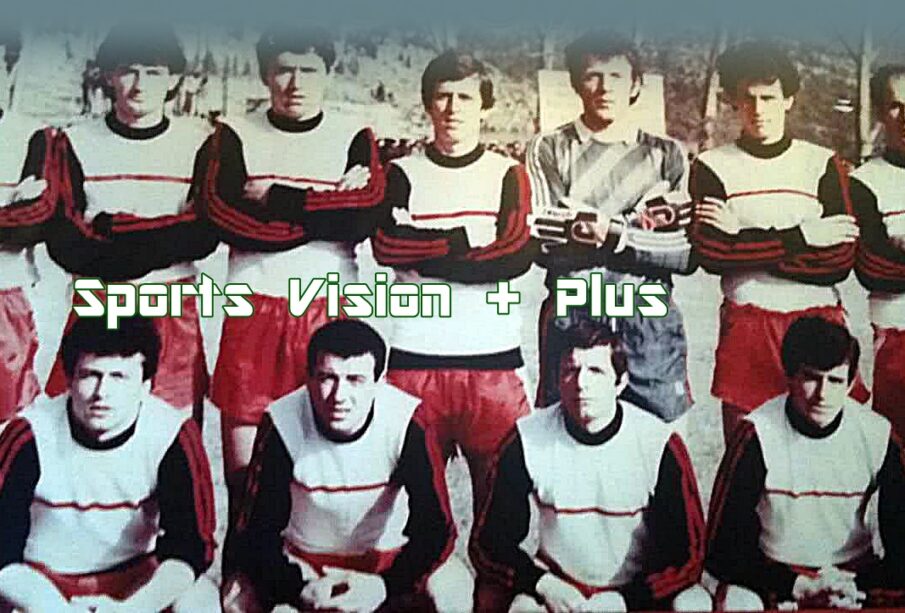
Although they frequently played the role of the newly promoted underdogs rising from the second division, Besëlidhja Lezhë transformed themselves during the 1980s into a highly formidable force. Throughout the decade, their home turf became an absolute fortress, proving completely impassable for even the most elite teams in the First Division.
This golden era in Lezhë was defined by a remarkable generation of players who elevated not only the competitive spirit of Besëlidhja but also the overall quality of the top flight.
The squad boasted standalone talents at every position. It began at the back with the distinguished goalkeeper Gëzim Hasku, along with Shpëtim Stërkaj and Ilirjan Birçe. The defensive line was anchored by rigid protectors like Gega, Kraja, Osmani, and Zuka. In the engine room, the midfield was driven by the tactical vision of Doda, Luli, Pikalaci, Lubani, Zhejani, and Pelinku. Upfront, the attack was spearheaded by the lethal instincts of Mlika, Filipi, and the unforgettable forward Fehmi Rama. Affectionately nicknamed “Furde,” Rama was short in stature but possessed dazzling technical skill, standing out as a prolific goalscorer.
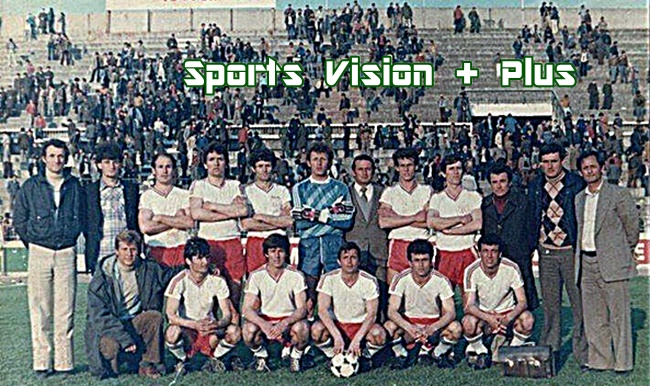
The squad’s identity was further enriched by a crucial contingent from Shkodra. Shkodran brothers Xhabir and Azis Gruda became integral parts of the team alongside Fatmir Axhani—a player who famously broke the hearts of his hometown club, Vllaznia Shkodër, by scoring against them repeatedly, including a legendary goal that eliminated them from the Republic Cup. Guiding this talented roster from the dugout were the club’s most prominent managers of the era, Sabri Shuaipi and Vasil Biçi.
The 1980s Tactical Core
Goalkeepers: Hasku, Stërkaj, Birçe
Defenders: Gega, Kraja, Osmani, Zuka
Midfielders: Doda, Luli, Pikalaci, Lubani, Zhejani, Pelinku
Forwards: Mlika, Filipi, F. Rama (“Furde”)
The Shkodra Contingent: Xh. Gruda, A. Gruda, F. Axhani
Managers: S. Shuaipi, V. Biçi
Between 1980 and 1990, Besëlidhja navigated a volatile see-saw existence, spending eight seasons in the First Division and suffering relegation to the second tier on three occasions.
1980–1981: They secured a stable mid-table foundation, finishing 10th with 23 points.
1981–1982: The team hit a higher stride, climbing into 7th place with 25 points.
1982–1983: Disaster struck as the engine stalled, sending the team down to the second division after finishing rock bottom in 14th place with 19 points.
1984–1985: After fighting their way back to the top flight, Besëlidhja rebounded well to claim 9th place with 24 points.
1985–1986: The joy was short-lived; a difficult campaign saw them relegated once more, finishing 13th with 18 points.
1987–1988: They announced their top-flight return in a grueling, experimental three-phase championship, finishing comfortably in Group “A” with 38 points.
1988–1989: This campaign marked Besëlidhja’s absolute historical peak. After the initial two phases, they sat proudly in 5th place, ultimately concluding the third phase in Group “A” in a historic 6th position with 27 points
1989–1990: The decade closed on a bittersweet note as the team suffered its third relegation, fighting valiantly but finishing at the bottom of the 12-team table in 12th place with 23 points.
Besëlidhja’s 1980s First Division Record
—————————————-
• 1980–81: 10th Place (23 pts)
• 1981–82: 7th Place (25 pts)
• 1982–83: 14th Place (19 pts) ➔ Relegated
• 1984–85: 9th Place (24 pts)
• 1985–86: 13th Place (18 pts) ➔ Relegated
• 1987–88: Group “A” (38 pts)
• 1988–89: 6th Place (27 pts) ➔ Historical Peak
• 1989–90: 12th Place (23 pts) ➔ Relegated
© Pjerin Bj
Bronx New York, July 19-2026
__________________________
Sports Vision + Plus | Champions Hour in activity since 2013

Discover more from Sports Vision +
Subscribe to get the latest posts sent to your email.



[…] https://www.sportsvisionplus.com/the-unyielding-bastion-beselidhja-lezhe-in-the-1980s/ […]