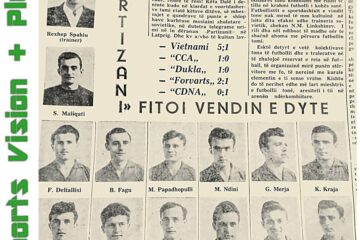
1976 Balkan Cup | Clash of the Blue Submarine: When Dinamo Enforced Tactical Mastery Over Ethnikos Piraeus.
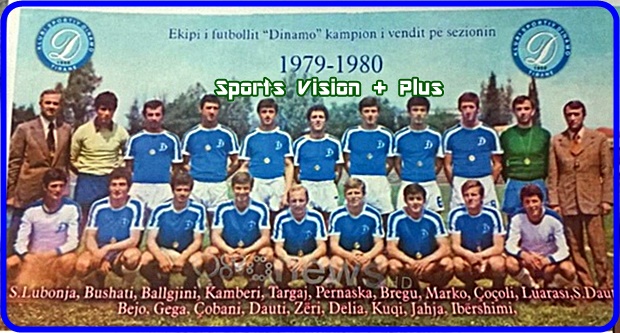
Prologue: The Sovereign Arena of Regional Prowess
The mid-1970s will forever be remembered as a ghostly era for the major entities of Albanian football. Marooned in a self-imposed multi-year qualification blackout from the grandest tournaments under the UEFA umbrella, the nation’s supreme talent had but one stage to demonstrate its absolute domestic power: the regional battlefield of the Balkans Cup. Operating away from the mainstream spotlight, this tournament turned into an incredibly fierce, unadulterated theater of pure athletic friction.
In the spring of 1976, Dinamo stepped into Group B to defend the structural integrity of the domestic game against the rising aristocracy of Greece’s “Ethnikos” Piraeus. What unfolded across two unforgettable encounters in Tirana and Piraeus was a masterclass in tactical calculation, shifting defensive blueprints, and a wide-open, seven-goal thriller that tested the absolute psychological boundaries of both squads.
Act I: The Tactical Shield at the “Qemal Stafa” Stadium
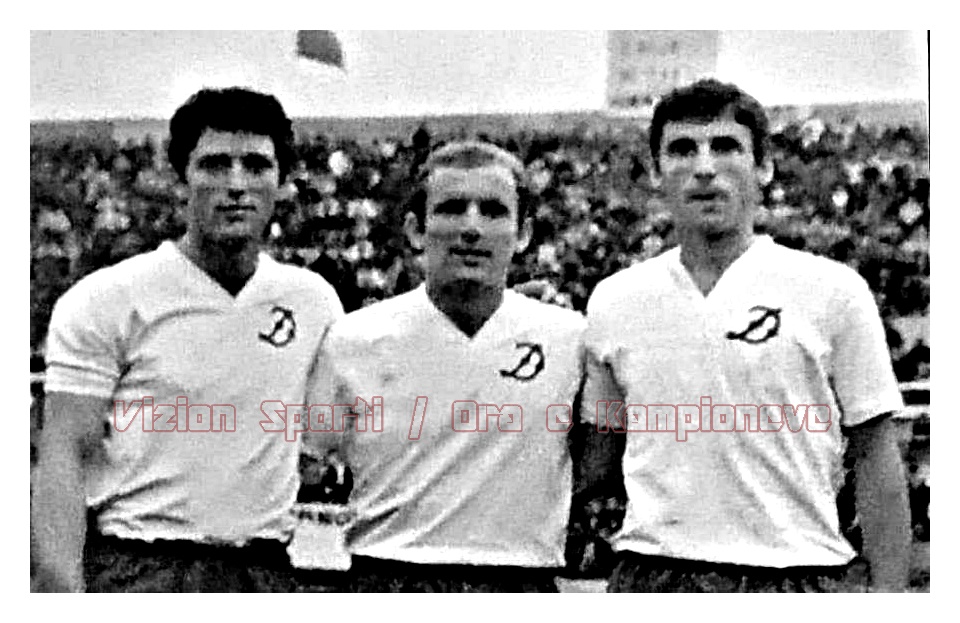
On April 14, 1976, the initial act of this regional showdown commenced at the “Qemal Stafa” Stadium in Tirana. Operating under the unique restrictions of their era, Dinamo stepped onto the pitch acting as a shadow national team, determined to protect the integrity of the domestic game against Greece’s Ethnikos Piraeus.
The first half unfolded as a tight, highly cagey affair. The Greek side arrived with a rigid, structured defensive block designed to absorb pressure, while Dinamo patiently worked the ball through their lines, looking to pick a lock in the opposition’s backline. The midfield engine room, controlled by general Iljaz Çeço, worked relentlessly to break up the visitors’ transitional build-up, ensuring the match went into the tunnel at halftime locked in a scoreless, tactical gridlock.
When the second half commenced, Dinamo shifted into their most lethal, expansive gear, completely dictating the flow of the match. The breakthrough materialized in the 20th minute of the match when the clinical, legendary forward Ilir Përnaska found a pocket of space inside the box and hammered a venomous strike past the Greek goalkeeper.
Refusing to park the bus, Dinamo weaponized their physical advantage and territorial dominance. In the 34th minute, the dazzling Vasillaq Zëri capped off a magnificent, flowing combination to sweep home a brilliant second goal, sealing a definitive 2–0 victory. Between the posts, goalkeeper Ahmet Ahmedani put on an absolute clinic, clawing away the few desperate efforts Ethnikos managed on the counter-attack, guaranteeing a clean sheet for the superior home side.
Act II: The Seven-Goal Shootout at the Karaiskaki Stadium
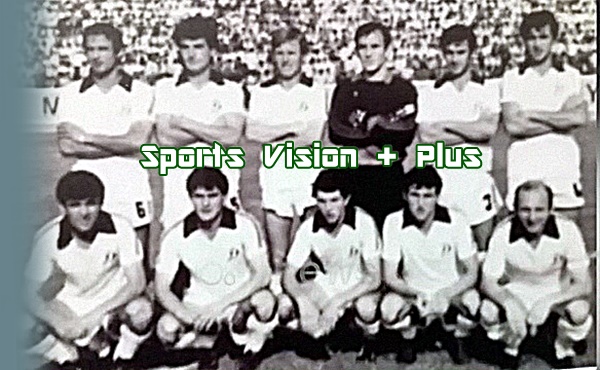
The narrative shifted dramatically to Greek soil on May 26, 1976, for the return leg hosted under the intense, hostile lights of the Karaiskaki Stadium in Piraeus. Fuelled by a passionate home crowd and a burning urgency to avenge their defeat in Tirana, Ethnikos swarmed out of the dressing rooms with a relentless, high-pressing system that threw all previous tactical shapes completely out the window.
The match immediately turned into a chaotic, breathless seven-goal thriller where defensive formations folded under pure adrenaline. Ethnikos struck early, exploiting rare lapses in Dinamo’s backline to take the lead. Yet, the Albanian side refused to crumble under the heavy physical pressure.
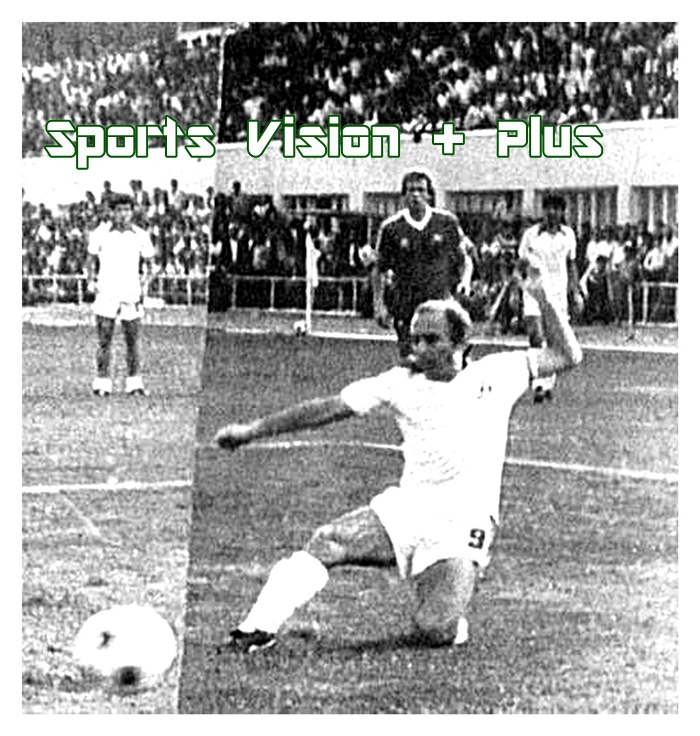
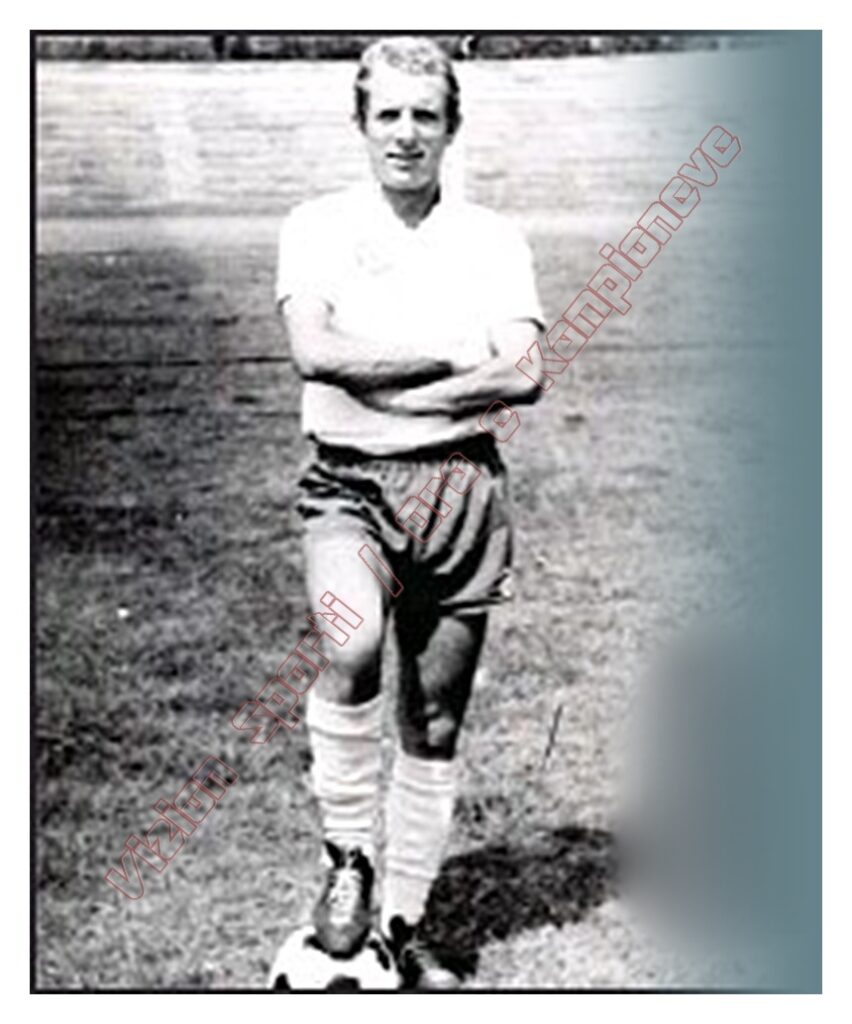
Weaponizing a brilliant away counter-attacking blueprint, Ilir Përnaska and Vasillaq Zëri terrorized the Greek defenders all evening. Përnaska struck twice, and Zëri added a third, as the dynamic duo combined to smash fourth magnificent away goals past the Greek keeper.
Ultimately, the home-field advantage gave the Greeks the narrowest of edges. Dinamo managed to pull off a 4–3 victory on the night. The pitch reality demonstrated that Dinamo was arguably the more composed team over the 180 minutes. By showing immense clinical potency on the road and smashing three away goals, Dinamo guaranteed their superiority in the final Group B table, finishing comfortably above the Greek side on overall goal difference to validate the elite class of their generation.
Technical Match Records & Lineups Archive
The official historical data reconstructs the structural line-ups, substitutions, and details for both encounters:
First Leg: Dinamo 2–0 Ethnikos Piraeus
4Dibra; 29Zeri
Date: April 14, 1976
Venue: “Qemal Stafa” Stadium, Tirana
Spectators: ~20,000
Referee:
Team Starting Lineup
Dinamo: A. Ahmedani (GK), F. Sejdini, M. Targaj, G. Mergjyshi, I. Çeço, A. Hafizi, S. Ballgjini, I. Ishka, V. Zëri, I. Përnaska, J. Marko
Ethnikos Piraeus: G. Arvanitis (GK), N. Gounaris, I. Moutouris, S. Kastanos, P. Karaiskos, C. Arvanitis, M. Gerolakos, A. Antoniadis, G. Karaiskos, V. Laodikiadis, T. Intzoglou
________________________________________
Second Leg: Ethnikos Piraeus 3-4 Dinamo
Karaiszkosz 31′; Ballgjini 42`; Lamprinos 43′; Zeri 49`, 72`
Pernaska 54` Koureas 79′
Date: May 26, 1976
Venue: Karaiskaki Stadium, Piraeus
Spectators: ~8,000
Referee:
Team Starting Lineup
“Ethnikos” Piraeus: G. Arvanitis (GK), N. Gounaris, I. Moutouris, S. Kastanos, P. Karaiskos, C. Arvanitis, M. Gerolakos, A. Antoniadis, G. Karaiskos, V. Laodikiadis, T. Intzoglou
Dinamo: A. Ahmedani (GK), F. Sejdini, M. Targaj, G. Mergjyshi, I. Çeço, S. Ballgjini, I. Ishka, V. Zëri, I. Përnaska, J. Marko, R. Shabani
© Pjerin Bj
Bronx, New York: July 26, 2026
________________________
Sports Vision + Plus | Champions Hour since 2013

Discover more from Sports Vision +
Subscribe to get the latest posts sent to your email.